Who has the longest nose of them all? Worthy winners of France's fiercely contested 'Prix Pinocchio' 2014 were selected last night, recognising corporate greed, hypocrisy and malfeasance, based on a record vote since the awards began.
The Leader of the US Senate says that under the China-US climate deal, China can 'do nothing at all for 16 years'. John Mathews and Hao Tan examine the claim - and find it's the very reverse of the truth. China is leading the world in greening its energy supply, and has committed to add a massive 1.3GW of renewable power capacity every week for 15 years. Now Mitch - beat that!
Democratising energy would save thousands of lives a year in Britain alone - releasing us from the clutches of corporate utilities, and building an energy commons in which we are all owners and participants, no longer captive, exploited consumers. More than that, it would be a big step forward in saving the planet.
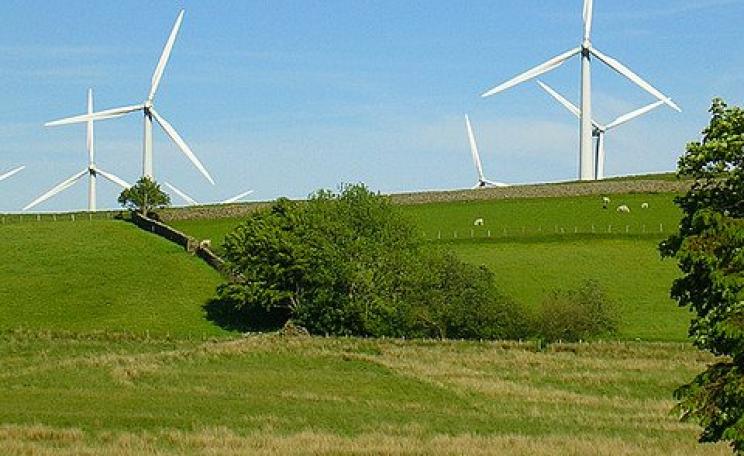
As the governing conservative party lurches ever further to the right, writes Kyla Mandel, it feels like UKIP has already won the election - six months before it's even happened. Tory ministers are already executing UKIP policies, with their ignorant but implacable hatred of renewable energy in all its forms.
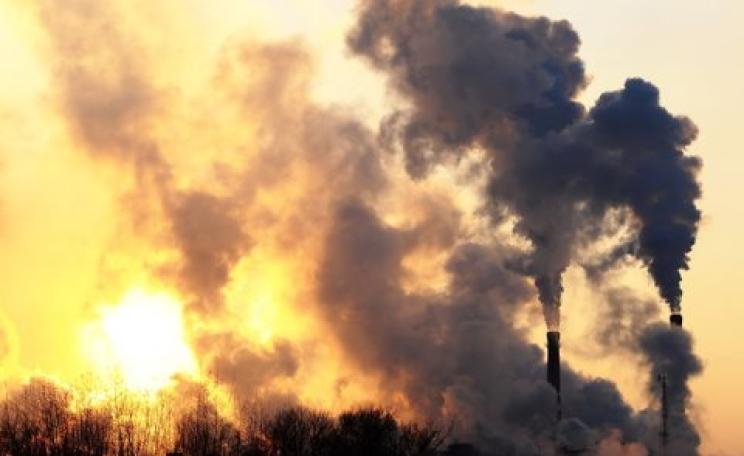
Efforts to tackle climate change have failed to make the slightest difference to the exponential increase in CO2 emissions, writes Mike Berners-Lee. The US-China deal at last offers hope that things could change - but to make it work other countries must come on board, and promises must transform into binding commitments.
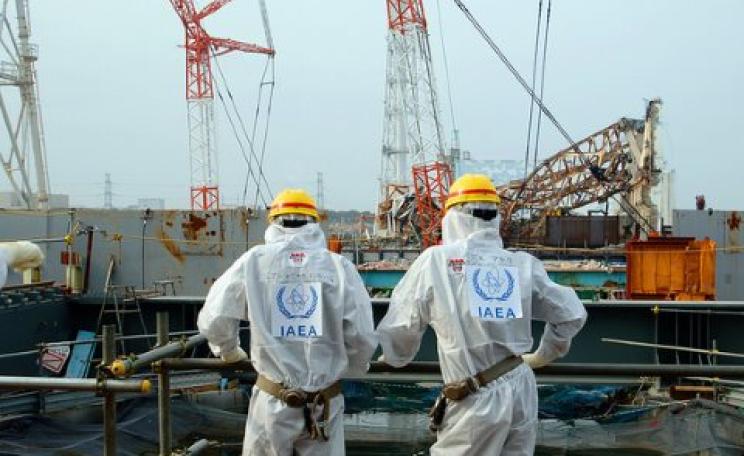
The clean up at Fukushima faces enormous challenges, writes Justin McCurry. First, managing 500,000 tonnes of contaminated water stored onsite. Next, removing molten fuel from reactors 1, 2 and 3, a task so hazardous that it's been put off until 2025. Even robots have been unable to enter the reactor buildings - and no one knows where the molten fuel has gone.
Despite promises to phase out subsidies to the coal, oil and gas industries, a new report G20 governments are still providing them with massive financial help, writes Alex Kirby. The UK alone is spending over £1.2 billion per year to support fossil fuel exploration and production at home and abroad.
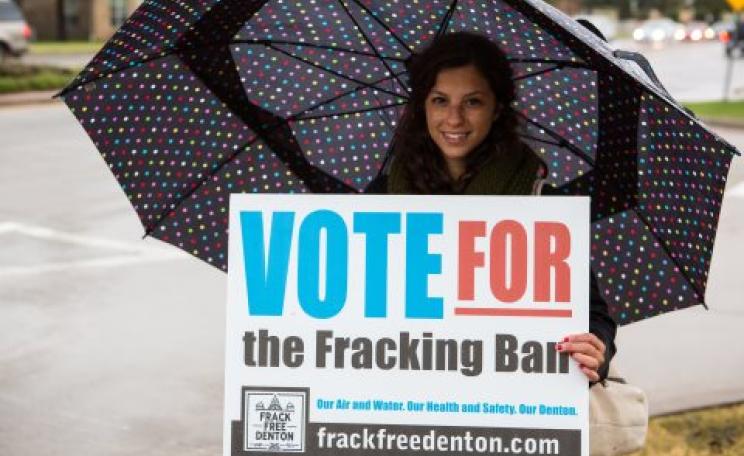
Denton's 59-41 vote to ban fracking has got right up the nose of the state's fossil fuel elite, writes Julie Dermansky. The Texas city has already been hit with two lawsuits - but it's going to fight them all the way, with a $4 million legal fund ready and waiting.
America's expanding oil production threatens the pristine Pacific Northwest region of the country with a rash of new oil terminals along the coast, writes Valerie Brown, and hugely expanded traffic of freight trains loaded with hundreds of cars of crude oil heading for California refineries.
This is an exciting time for community energy, writes Julia Groves. New guidance will make it easier for local people to invest in local renewable power projects, while other opportunities are opening up for risk averse investors. And the more of us join in, the sooner we can displace the Big Six who dominate UK energy markets.
The IPCC's most important ever assessment of global warming warns that the world must cut its carbon emissions must be cut sharply and soon, writes Damian Carrington - and the cost is affordable. But in fact, emissions are rising at record levels, and the IPCC's strong support for unproven-at-scale CCS technology will leave many mystified.
The National Grid's forecast for UK power supply this winter relies on overstating the availability of increasingly unreliable nuclear power stations, writes Chris Goodall. Realistic estimates of nuclear, gas and coal power station availability shrink the 'safety margin' to zero.
Extreme energy in the UK is arousing extreme reactions, write Jess Elliot & Damien Short. On the one side stand citizens committed to preserving the quality of the local and global environment. And against them, a government determined to let fracking rip, and police forces prepared to ignore legal norms to suppress the growing popular resistance.
Opponents of nuclear power hold up the planned Hinkley C as an examplar of waste and idiocy that could cost the UK over £30 billion in subsidies. Chris Goodall agrees - and fears that an impending fiasco with the 'unconstructable' and commercially disastrous EPR design may kill off the UK's nuclear aspirations for a generation.
Just as the UK Government is stirring up public anger against human rights, writes Anna Grear, its fast-track development of shale gas and oil shows that we need these legal protections more than ever. A new report shows how the 'dash to frack' is endangering our most cherished rights - to health, water, security and life.