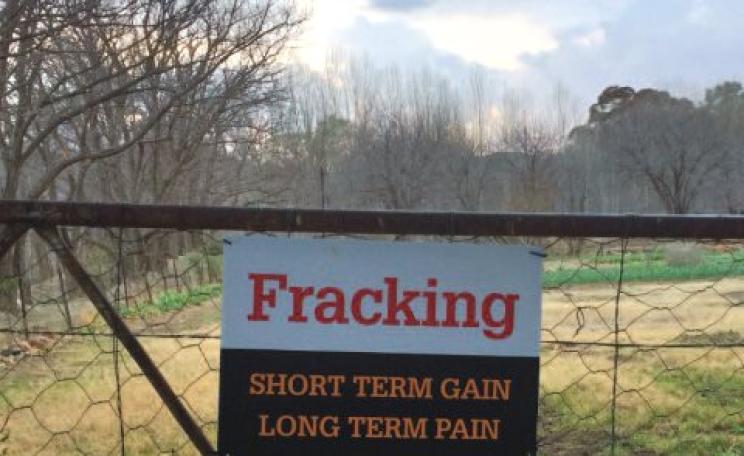
Fracking for oil and gas uses a wide range of chemicals that disrupt reproductive function in both sexes, writes Tamsin Paternoster. Now an academic study has found a powerful correlation between stillbirth, miscarriage, low sperm count, and exposure to fracking chemicals.
COP20 has just laid the foundations for a non-agreement in Paris in 2015, writes Assaad Razzouk - thanks to the pernicious influence of fossil fuels, poisoning debate and subverting serious climate action. Now there's only one earthly power big enough to fight back.
As well as being masters of water engineering, the Romans also engaged in a long distance trade in water across the Mediterranean - embodied in grain, oil, wine, cloth, metals and other goods. They also discovered the food-water-energy nexus - and not in a good way. We need to heed the warnings from Roman history.
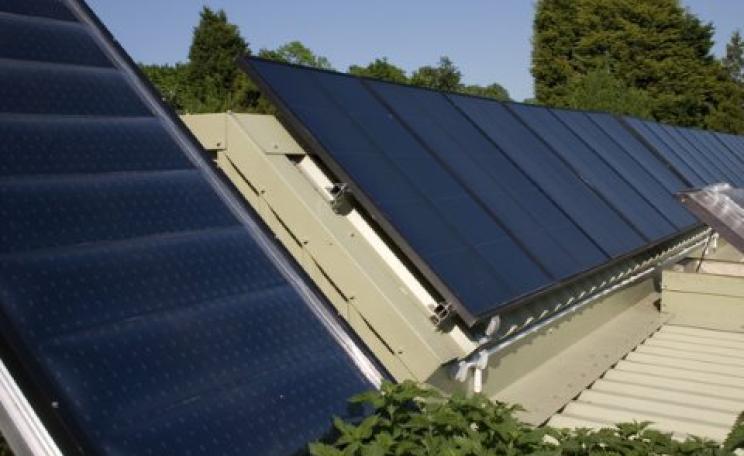
Solar power has a sunny future - even without any major breakthroughs, writes Ralph Gottschalg. There are huge gains to be made simply by getting smarter and using existing technologies more effectively. A new report shows that - given political support - solar PV could be competitive in the UK by 2020.
The UK is bidding for a massive €46 billion loan from the European Investment Bank to finance the construction of three new nuclear power stations at Hinkley Point, Wylfa and Moorside - while Poland is seeking €8bn for huge new coal mines and power plants and €12bn for new nuclear.
The world is in the grip of a 'fracking frenzy that threatens us for centuries to come with polluted aquifers, runaway climate change, destruction of biodiversity and worthless 'sub-prime' investments. Just as the world must make the transition to a sustainable future, our 'leaders' are determined to make this last losing throw of the fossil fuel dice.
It's the fossil fuel industry's latest stroke of genius - a coal substitute that's cheaper, dirtier and more toxic than coal itself, writes Ben Whitford. The waste product of refining heavy oil from Canada's tar sands, petcoke is stored in open mountains around Chicago's 'Slag Valley', sending plumes of sticky black dust over poor neighborhoods every time the wind blows.
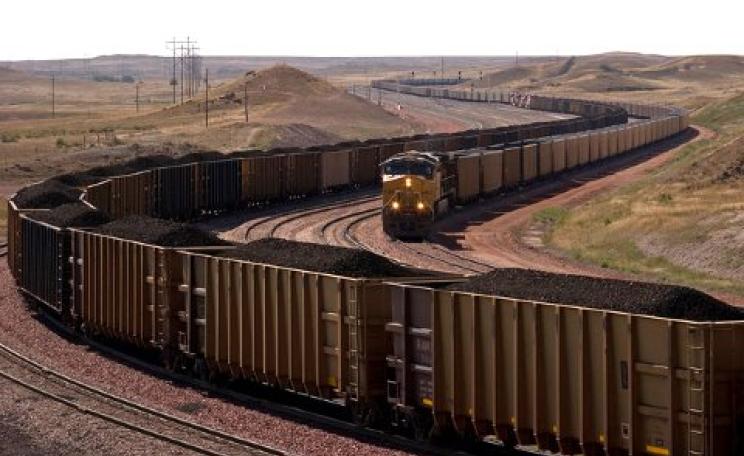
Coal leases on public lands operated by the US Bureau of Land Management are responsible for 40% of US coal production and 14% of total US CO2 emissions, writes Mike Gaworecki - yet their environmental impacts have not been reviewed in 35 years.
Peru's government is actively undermining indigenous peoples' efforts to protect their forests - by refusing to title 20 million hectares of their lands and turning a blind eye to illegal logging. At the same time it's handing out vast concessions for oil, gas, mining and timber exploitation, expanding palm oil production and planning 50 major forest-flooding dams.
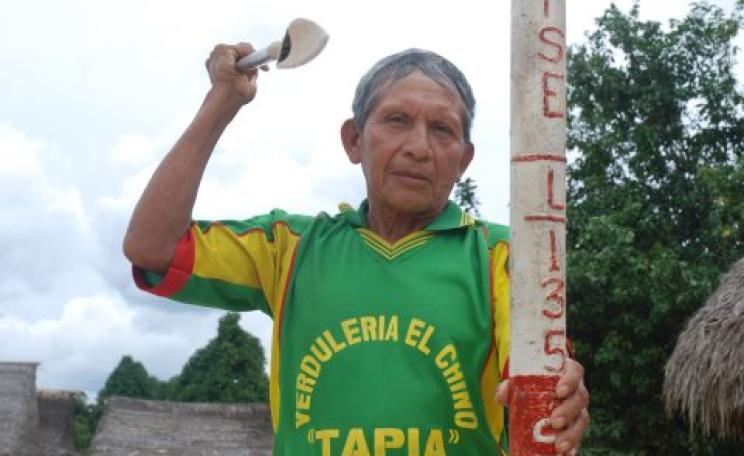
Peru - host of the COP20 UN climate conference now under way in Lima - is facing rebellion by a 3,500 strong indigenous people deep in the Amazon committed to fighting oil exploration in their forest territory, writes David Hill, following the government's failure to consult Matsés communities or respect their rights.
East Liverpool, a small city by the Ohio river, is a cancer-ridden dumping ground for the detritus of the global economy, writes Caitlin Johnson. With its filthy power station, coal ash lake, 1,300 fracking wells, silica sand mountains and a huge toxic waste incinerator, the city's people need your help in their fight for environmental justice.
Are recent oil prices slumps caused by OPEC ganging up against tar sand and other high-cost producers? Or a sinister conspiracy to destabilise the Russian economy? Far from it, argue Jemma Green, Mark Andrich and Peter Newman - it's the simple result of an excess of supply over demand. And the low prices will be with us for some time to come.
The UK Government plans to lock consumers into a 2.5bn a year, 15-year spend to support peak-time fossil power generation - while undermining energy demand savings capable of achieving the same purpose more cleanly and cheaply. But today the 'unlawful' system has been hit by an ECJ lawsuit.
Las Casitas is a small community living on the edge of one of the world's largest coal mines, writes Richard Solly - one inhabited by the descendants of escaped slaves, located in the poorest region of Colombia. The village is under imminent threat of forced displacement by the brutal corporation that runs the Cerrejón coal mine.
With continuing Coalition in-fighting over the troubled 'zero carbon homes' programme, writes Alex Stevenson, a plan is afoot to allow homes on smaller developments to meet a less demanding energy performance standard - but still carry the 'zero-carbon' label. Critics denounce the plan as 'nonsensical'.