The Guardian Media Group is to divest its £800m fund from fossil fuels over five years. The terms of its promise appeared to leave the door open to natural gas and fracking, But GMG now insists that it aims to ditch all fossil fuels within five years.
Medact, the organization of health professionals for a safer, fairer and better world, has called for a five year moratorium on fracking due to its serious hazards to public health, writes Paul Mobbs. Their new report is a powerful challenge to government policy that cannot be ignored.
Public opposition to nuclear power in Japan remains strong, writes Jim Green, but piece by piece, Shinzo Abe's right-wing government has been putting the country's infamous 'nuclear village' back in control - boosted by draconian press censorship laws, massive interest-free loans, and a determination to forget all the 'lessons' of Fukushima. Is another big accident inevitable?
High ranking academics have issued a stark warning to policy makers on the future of Britain's shale gas - your best bet is that we have none that can be recovered consistent with policy objectives.
Britain's corporate energy oligarchy has failed us, writes Calum McGregor. It's given us widespread fuel poverty, unfair tariffs, constant price hikes, billions siphoned off to shareholders, and chronic under-investment in renewables. Now is the time for a new model: public and co-operative ownership of energy infrastructure under participative democratic control.
Another budget, another missed opportunity: the VAT system charges the full 20% on home upgrades, but 'zero-rates' developers who demolish and rebuild, writes Duncan Baker-Brown. Instead we should target VAT to reward those who meet 'green' criteria for energy efficiency and sustainability. Chancellors in waiting, listen up!
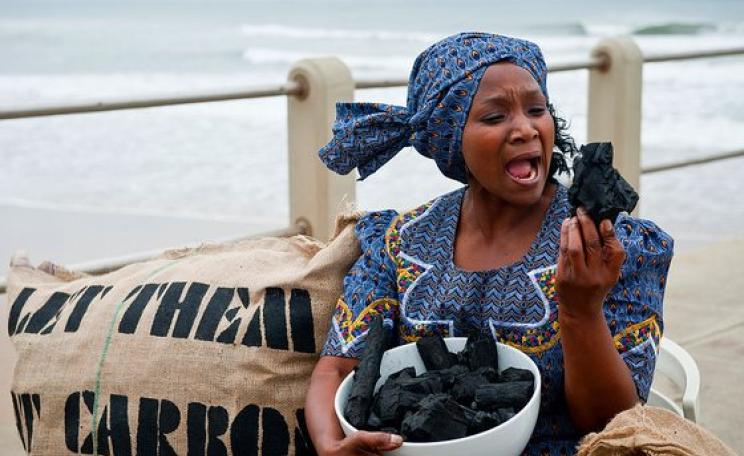
Univerisities' core mission is one of civilization and enlightenment, and that's incompatible with investing in fossil fuels that pose an existential threat to humanity and the planet, writes Cutler J Cleveland. It's is also financially prudent for for them to avoid sinking capital into future 'stranded assets' of unburnable carbon.
Edelman, the global PR group, has a history of aggressive 'consent engineering' for the fossil fuel industry in North America, writes Paul Mobbs. So what are they doing running 'impartial' UK bodies including a Parliamentary group on unconventional oil and gas, and the 'independent' Task Force on Shale Gas? Are they really US-style 'astroturf' bodies designed to fool us all?
The Democratic Republic of Congo is to consult UNESCO, writes Melanie Gouby, over its wish to 'explore judiciously' for oil in Africa's first and most biodiverse National Park and World Heritage Site.
Mining corporations, politicians and big NGOs are meeting in London today to plan the future of extractive industries in Africa, write Nnimmo Bassey & Sheila Berry. Absent African civil society and impacted communities, delegates are setting an agenda for 'resource-led development' that will cook the continent in the greenhouse gases of its plundered oil, gas and coal.
A new coal and biomass-fired power station could soon be built at Drax in Yorkshire, already the UK's biggest coal burner, writes Almuth Ernsting. It comes with a weak promise of possible 'carbon capture and storage' - an expensive, inefficient technology shunned elsewhere. As the Government's nuclear dream fades, could this be its equally flawed replacement?
Indian coal firm Adani is struggling to finance its proposed mega coal mine in Australia's Galilee Basin, write Marina Lou & Christine Ottery, as promised government support evaporates and a major investor looks set to pull out.
Deep in the Algerian Sahara, the oasis town of Ain Salah is a focus of opposition to a new wave of fracking, with violent confrontations between police and up to 40,000 protestors, writes Alexander Reid Ross. They have two main concerns: preventing pollution to the aquifer that sustains them, and keeping out foreign oil giants like Total and Halliburton.
Members of the London Assembly yesterday voted for the London Pension Fund Authority, worth £4.8 billion, to ditch all its fossil fuel investments over a 5-year period. The vote is non-binding, but the huge 15-3 margin puts strong pressure on London Mayor Boris Johnson to follow through.
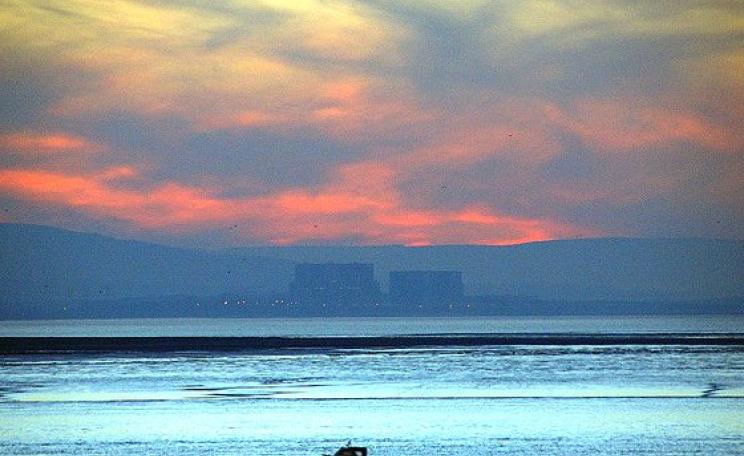
The Hinkley Point C nuclear power plant never made sense, writes Jonathon Porritt, but as legal challenges gather, finance fails to materialize, the cost of renewable energy keeps on falling, and the 'dead duck' EPR design is prepared for burial, even nuclear fanatics are turning against the doomed project.