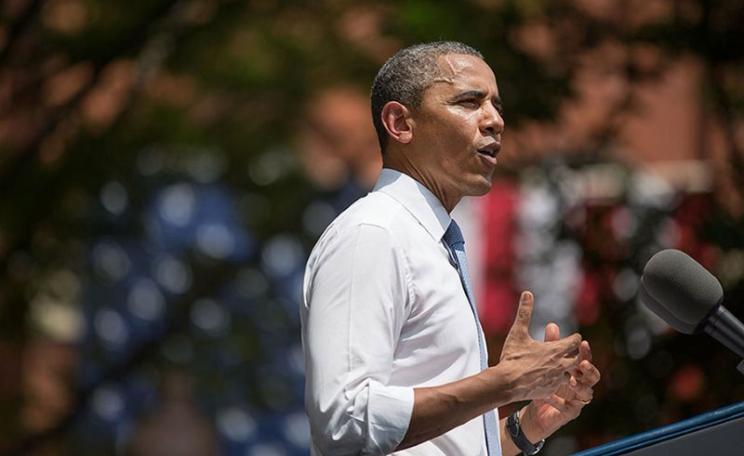
Obama has delighted climate campaigners with this 'clean Power Plan' that will force states to make deep cut in carbon emissions from power stations, writes Dan Roberts. But not everyone is happy, and legal challenges loom.
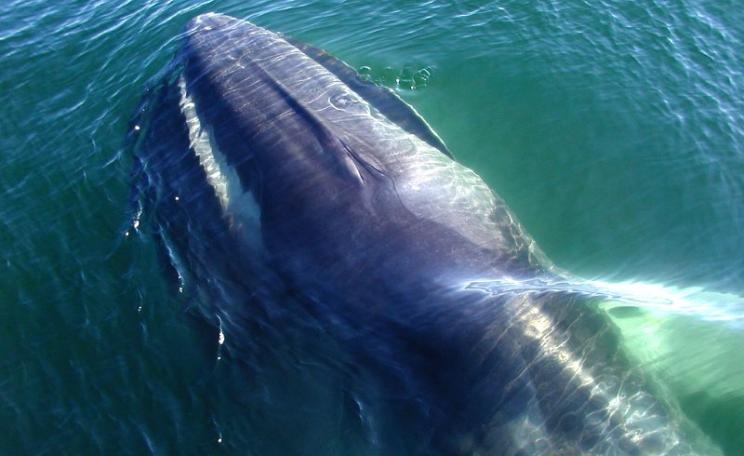
Faced with the double crisis of global warming and the decimation of marine wildlife, what does the Obama administration do? Open up the US's Atlantic and Arctic Ocean seafronts to oil and gas drilling, write Ralph Nader & David Helvarg. But this assault on our climate and cetaceans can be stopped, as a 'Sea Party Rebellion' prepares to fight it all the way in forthcoming Presidential elections.
As Greece prepares for its referendum, Takis Grigoriou takes Greece to task for its highly polluting lignite power sector, its ditching of a successful solar program in favour of more coal, the minimal insulation in its buildings that locks in high fuel bills, and Syriza's failure to tackle these issues. The good news? Greece's latest €1.4bn coal project looks like going unfunded.
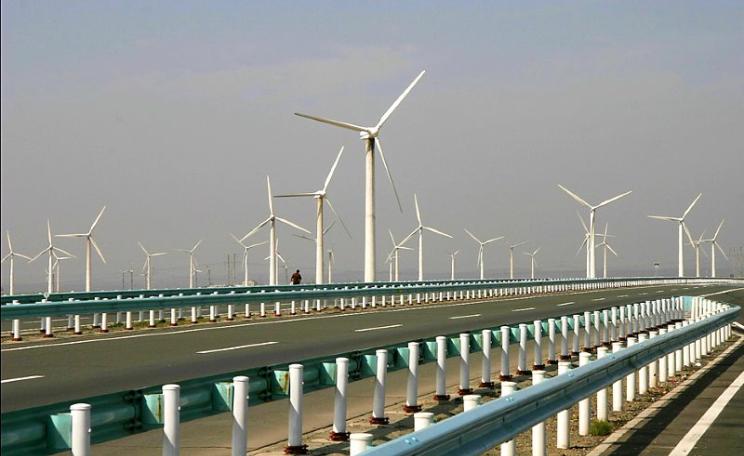
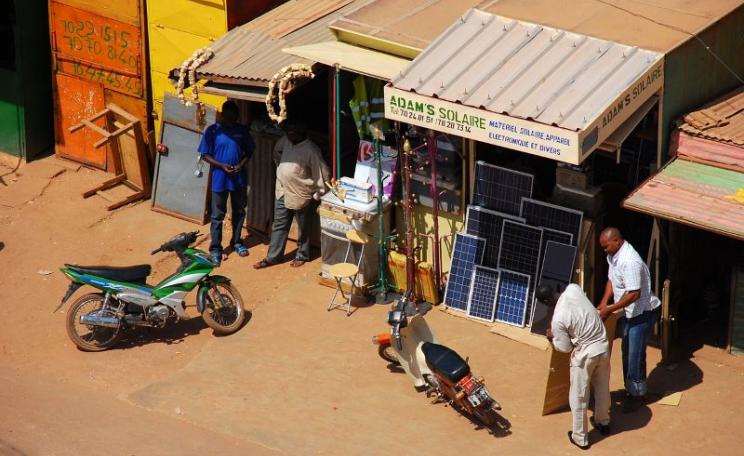
Renewable energy is all go in China, as set out in its climate pledge this week, writes John Mathews, with huge growth planned for wind and solar. The one big loser - coal exporters who can expect falling sales volumes in coming years. Wake up Australia!
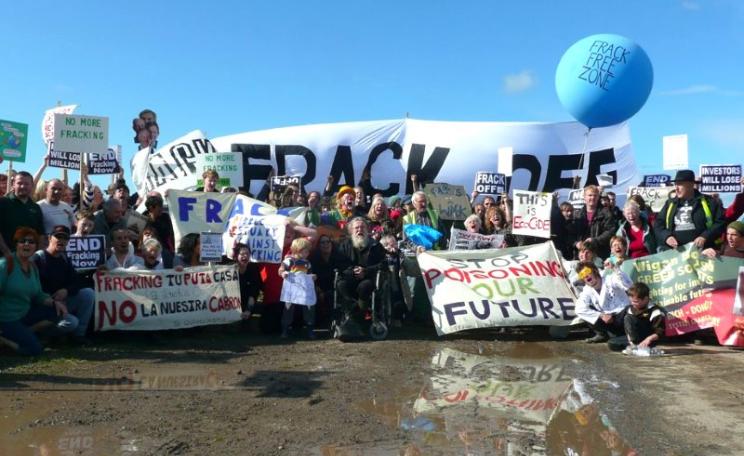
House prices could fall 7% near fracking rigs, according to the 'secret' Defra report on fracking in rural areas, only published in full after a legal battle, while leakage of waste water could damage human health and contaminate food.
Sunday's SpaceX crash sends a powerful warning of the dangers of nuclear power on spacecraft, writes Karl Grossman. But will NASA listen? Despite the success of solar-powered missions, it's planning to use plutonium to power future missions and a new report asserts a continuing need for the technology - even as Russia ditches the idea.
The world economy and energy use both grew in 2014 - but carbon emissions did not, writes Alex Kirby. The reason? The worldwide surge in renewables, especially in China, has reduced demand for coal in power generation.
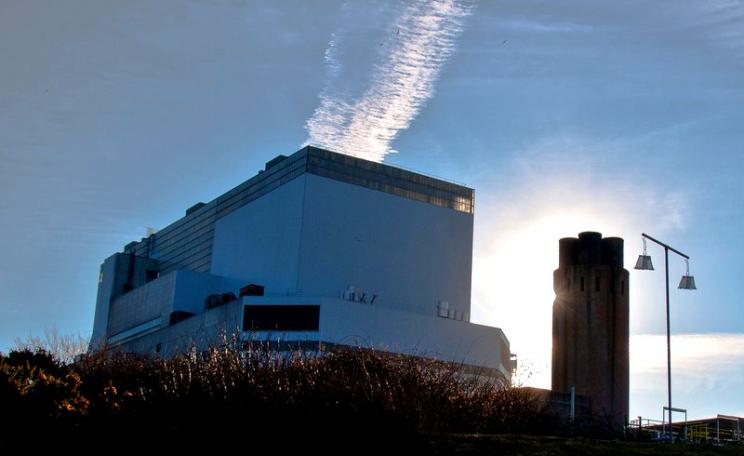
Will Labour turn against nuclear power? As Chancellor, Ed Balls would have cancelled Hinkley C due to its massive cost, writes Ian Fairlie. But he never got the chance, and now the party remains muted even though the Government's nuclear enthusiasm is completely out of kilter with reality. To end nuclear's grip on Labour there's only one choice of leader: Jeremy Corbyn.
In a dramatic decision this morning, Lancashire county councillors voted 9:3 to reject Cuadrilla's planning application to frack at Preston New Road, defying the warnings of their own planning officers.
Independent legal advice shows that Lancashire councillors can refuse Cuadrilla's application for planning permission to frack at the Preston New Road site in Lancashire - contrary to advice from the Council's officers.
Following premature cutbacks to onshore wind farms the UK's energy security will increasingly depend on large scale offshore wind power, write Ian Broadbent & Peter Strachan. But while energy secretary Amber Rudd talked the sector up in her speech yesterday, she revealed feeble ambition, and said nothing to overcome investors' fears of being left out in the cold.
The Government's reckless pursuit of fracking and nuclear power, combined with its irrational hatred of renewables, onshore wind in particular, is taking the UK down a dangerous energy cul-de-sac, write Peter Strachan & Alex Russell. A redical rethink is due, or we'll be stuck with soaring fuel bills for years to come.
As Lancashire councillors prepare to decide the planning application to frack in the county, writes Kyla Mandel, the UK's transparency watchdog has ordered the government to publish in full a report on the impacts of fracking, previously published only in a heavily redacted version.
The previous government came in on a bold promise to be the 'greenest ever', writes Jonathon Porritt. But what we got was a shameful record of ideologically driven policies that promoted fossil fuels, undermined action on climate, obsessed over nuclear power, did nothing to arrest the decline in the nation's wildlife and biodiversity - and suggest even worse to come.
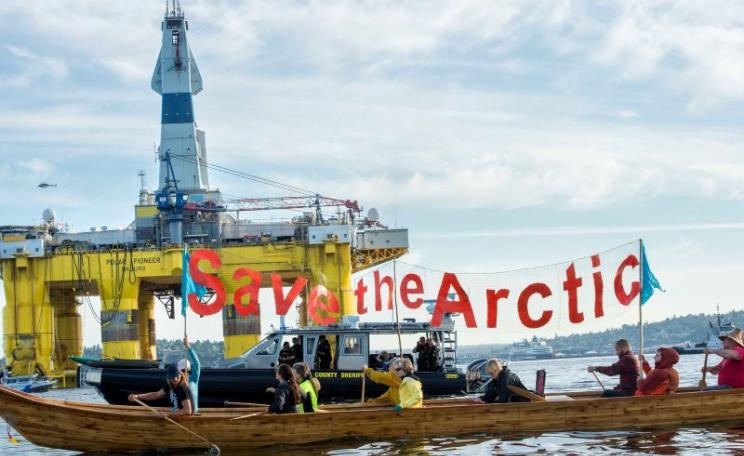
As Shell's Polar Pioneer drilling rig sails from Seattle into the north Pacific, Christine Ottery discovers that US federal regulators had serious concerns about the company's safety equipment designed to contain any oil spill.