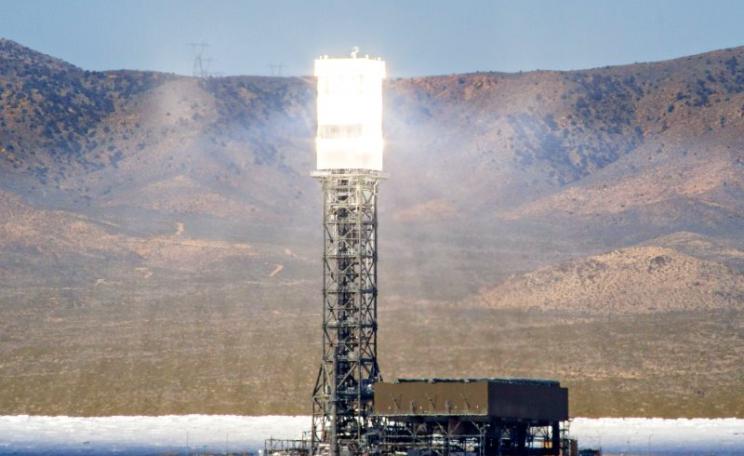
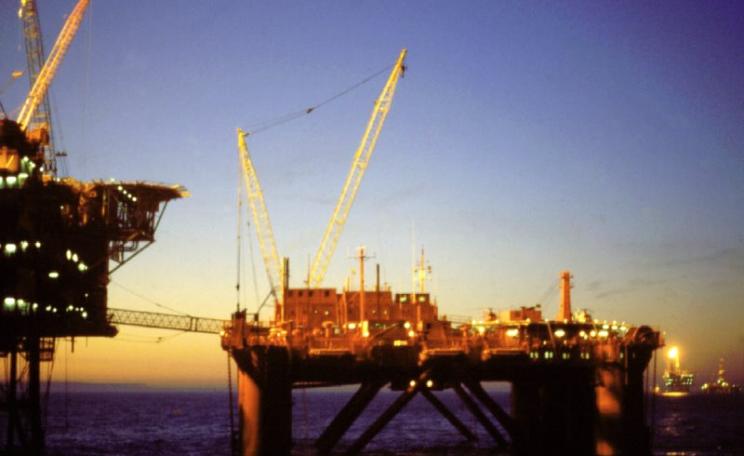
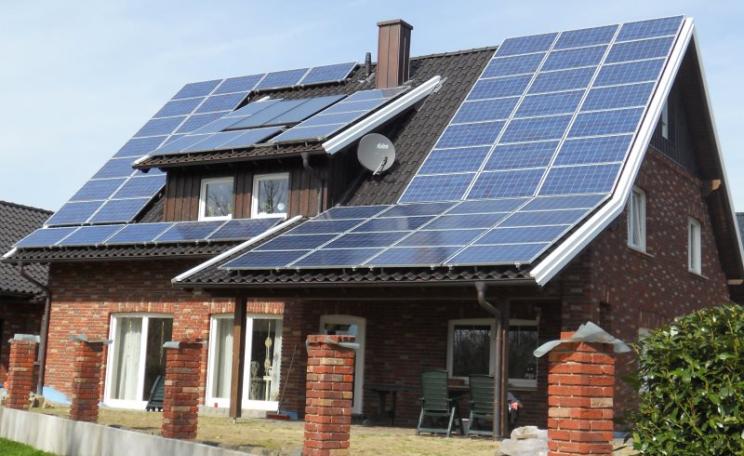
ITER, the elusive and multi-million dollar fusion fantasy, was yet another nuclear chimera introduced at the Paris COP21 climate talks as a 'solution' to our climate crisis, writes Linda Pentz Gunter. But the idea is pure fantasy: long before it can be made to work, if it ever can, it will have been made obsolete by harnessing the power of our giant fusion reactor in the sky: the Sun.
In this joint statement to COP21 Amnesty International and Greenpeace International call on all governments to protect human rights by including making respect for human rights an explicit purpose of any agreement, while agreeing to phase out fossil fuels and deliver 100% renewables for all by 2050.
Investigative reporters working for Greenpeace UK's Energydesk have uncovered a nexus of senior academics willing to accept large sums of money from fossil fuel companies to write reports and newspaper articles published under their own names and university affiliations, without declaring the funding. Lawrence Carter & Maeve McClenaghan spill the beans ...
The EU's decision to renew 'punitive' tariffs on imports of PV modules and cells from China will cost the EU's solar installers an extra £700 million, writes Oliver Tickell - just as the UK industry is reeling from 87% government cuts.
Last week a new billionaires club strode into COP21 in Paris promising big money for 'clean energy': the Breakthrough Energy Coalition. But most of its members are nuclear obsessives, writes Linda Pentz Gunter, from Bill Gates to Jeff Bezos and Richard Branson. And what the the world needs is not 'patient investment' into nuclear research, but impatient investment into renewables deployment.
Paris has been awash with hype about 'CO2 recycling' and 'carbon neutral' or even 'carbon negative' technologies based on burning millions of trees, writes Rachel Smolker. But the alchemical notion that waste carbon can be spun into corporate gold is hitting serious reality checks. It's time to ditch the fantasies and progress the real solutions: like caring for land, soils, forests and grasslands.
On Monday Cameron was waxing lyrical on climate change at COP21 in Paris, writes Natalie Bennett. But his true colours will be revealed tomorrow as a long established anti-fracking camp in Cheshire is set for eviction: all part of the plan for a new generation of gas-fired power stations that will blow the UK's emissions targets.
Earthship Brighton, an award-winning off-grid community centre set in an organic farm within the South Downs National Park, has hosted hundreds of events and inspired tens of thousands of visitors over the last decade, writes Phil Moore, demonstrating green technologies and energy-efficient living. But now it's in need of a refit.
The theme at COP21 today has been the urgent need to cut fossil fuel subsidies that favour dirty energy over renewables, writes Tony Juniper. Sadly the UK is setting all the wrong examples - ramping up its spending on fossil fuels, while slashing its much smaller renewable energy budgets.
As world leaders convene in Paris for the COP21 climate summit, the major task before them is to replace fossil energy generation with renewables, writes Paul N Edwards - and with the right incentives, it could happen fast. For developing countries it's different: they could skip over fossil fuels much as they have gone straight for mobile telephony. But will they seize the opportunity?
New research shows that wind and solar can meet 80% of Germany's power demand, with biogas and hydropower providing the balance, writes Keith Barnham. And if Germany can do it, so can other countries, many of them even more easily - with no need for fossil fuels or nuclear power. COP21 should raise its ambitions and commit to a 100% renewable electricity future, everywhere.
A climate negotiators gather in Paris for COP21, the WMO say that a combination of human and natural causes will make 2015 temperatures the hottest ever - half way to the 2C 'safety threshold'. But despite the ever falling price of solar and wind, many newly industrialising countries are insisting on coal-fired development.
The surprise removal of tax benefits for investors in community renewable energy schemes - effective from Monday - is unlawful and must be reversed, states a legal letter to the Treasury. But meanwhile, investments in the sector have hit record levels, with two days still to go.
As negotiators from around the world gather in Paris for what's hoped to be a groundbreaking climate summit, many will be surprised to discover that COP21 is funded by some of the world's biggest coal burners, writes Pavlos Georgiadis, and a leading financier of coal and tar sands development. Shouldn't we just ... kick them out?
The 'Autumn Statement' delivered with such aplomb by the Chancellor is yet another attack on the UK's sustainable future, write David Lowry & Oliver Tickell - cutting energy efficiency funds just as tens of thousands are set to die of cold this winter, betting £250m on pointless nuclear research, and raiding the renewables budget to fund subsidies to nuclear power and fossil fuels.