Members of the food movement share an infectious vision, writes Jonathan Latham - one which is constructive, convivial, classless, raceless, international, and embraces the whole world. Unled yet inspirational, it rests on a novel, harmonious philosophy that combines science, recognition of planetary boundaries, and the universal need for wholesome sustenance.
The Conservation Law Foundation has just filed the first lawsuit against ExxonMobil for violations under the Clean Water Act and other laws, committed in its deliberate, reckless and deceitful cover-up of it's true knowledge of the dangers of climate change.
London Mayor Sadiq Khan promised electors that he would be the 'Greenest Mayor ever'. In spite of his apparent support for a new Thames road crossing in East London and an expanded London City Airport, he still has huge opportunities to make good his pledge. And Green Assembly Members will be working hard to make sure he does.
As the Digital Schoolhouse programme starts a national roll out to schools across the UK, scientists warn that digital disconnect can mean caring less - for each other and the environment. LAURA BRIGGS reports.
A new report finds that 28 nuclear reactors, 18 of them EDF plants in France and one at Sizewell in the UK, are at risk of failure 'including core meltdown' due to flaws in safety-critical components in reactor vessels and steam generators, writes Oliver Tickell. The news comes as EDF credit is downgraded due to a growing cash flow crisis and its decision to press on with Hinkley C.
Wildlife artist Rachel Lockwood is in creative lockdown preparing for her new exhibition called Wilding. Ecologist Arts Editor, GARY COOK went to her North Norfolk studio to talk paint, animals and other environmental matters
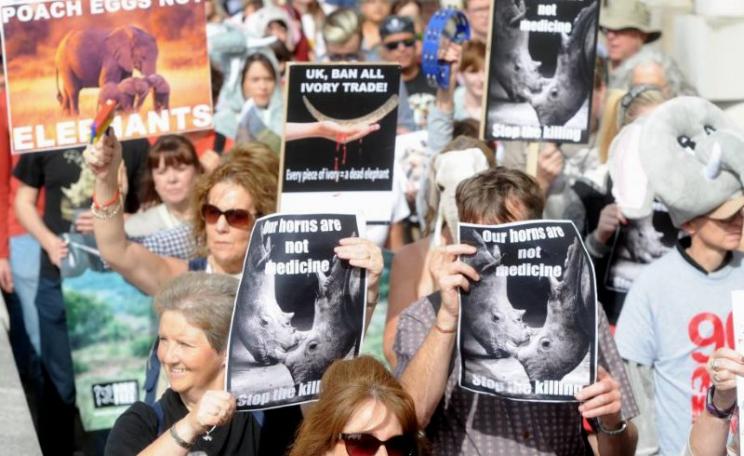
Poaching of elephants and rhinos for their ivory tusks and horn is fast pushing these beautiful animals to extinction, writes Anneka Svenska. Decisive action is needed at the 17th CITES congress in South Africa to ban all international trade in these products, matched by equally strict laws at a national level.
Global food production may need to double over the next century to feed a growing world population, writes Tim Radford - just as yields crops in major crop-growing areas fall due to higher temperatures. But there is another way: to build sustainability into our food production and consumption.
With its choice of Hinkley Point C - a £100 billion nuclear boondoggle - its enthusiastic support for expensive and environmentally harmful fracking, and its relentless attack on renewable energy, the UK government's energy policy is both morally and economically bankrupt, write Peter Strachan & Alex Russell. It must urgently reconsider this folly and embrace the renewable energy transition.
There's a simple way to induce us to make good environmental choices, writes Cass R. Sunstein: make them the default setting. Whether it's selecting double sided photocopies or renewable electricity tariffs, defining easily-overridden 'green defaults' is by far the most efficacious means to influence consumer choices for the environment and the planet.
A future Labour government will ban all fracking in the UK and drive forward a clean, affordable energy revolution, Barry Gardiner promised in his conference speech today. And it will openly negotiate 'Just Trade' agreements that respect the environment, health and labour, boosting small business not just multinational corporations.
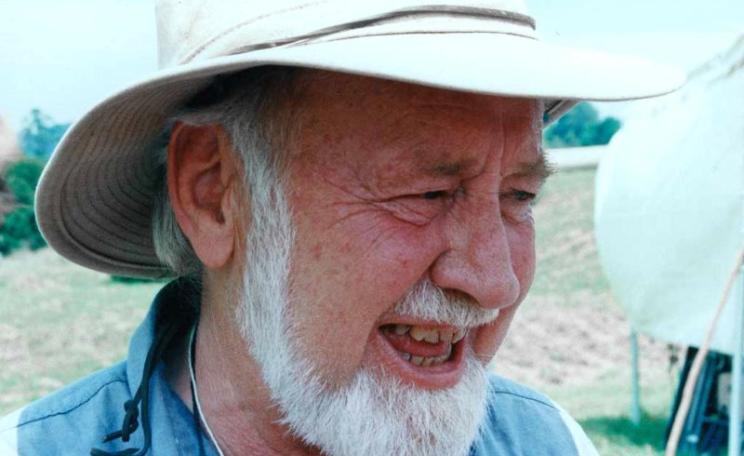
Australian educator, author and co-inventor of Permaculture, Bruce Charles 'Bill' Mollison, died on the 24 September 2016 in Sisters Creek, Tasmania. He has been praised across the world for his visionary work, and left behind a global network of 'peaceful warriors' in over 100 countries working tirelessly to fulfill his ambition to build harmony between humanity and Mother Earth.
If tonight's first televised lives debate between the US presidential candidates is anything like previous UK TV hustings climate change won't get a look in - let alone a mention. US voter and blogger ETHAN MILLER takes a personal overview of what they likely won't be saying
The trade ban on rhino horn is not working, writes Keith Somerville. But non-lethally and sustainably harvested rhino horn can earn income to encourage breeders, pay rangers and anti-poaching teams, provide surveillance and supply wider benefits that will gain the support of people around parks, reserves and ranches.
The Trade in Services Agreement is a multilateral deal like TPP, TTIP and CETA, writes Zachary Davies Boren. But while the 50-nation negotiations are even more secretive, its impacts could be even greater: undermining national sovereignty; allowing only corporate regulation deemed 'necessary' by a panel of WTO lawyers; and allowing no rollback on trade liberalisation.