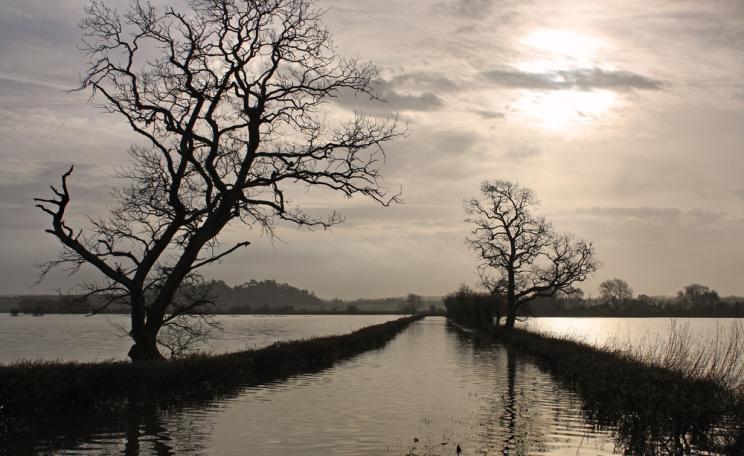
A new report from Rewilding Britain highlights the positive impact which rewilding the UK's landscapes can have upon flood risk. The report comes as MPs on the Environmental Audit Committee consult on better ways to manage the UK's environment post-Brexit, with many calling for an approach which places nature centre stage.
The International Criminal Court in The Hague is to broaden its focus to prosecute governments and individuals for environmental crimes, write John Vidal & Owen Bowcott. Examples include illegal deforestation, theft of resources, and expulsion of populations from their land.
As leading figures from the world of law, ecology and technology prepare to come together and discuss how best to deal with non-native invasive plants in the UK, more research is still needed on how best to manage these species taking over the countryside writes LAURA BRIGGS
All 193 UN states will sign a declaration today to fight the spread of drug-resistant 'superbugs', writes Alastair Kenneil. The problem is often blamed on over­prescription of antibiotics by doctors. But that's to ignore the massive use of antibiotics on animals in factory farms, both to prevent infection and to assist weight gain - turning farms into superbug breeding centres.
While the confrontation at Standing Rock has galvanized Indians and non-native supporters from across the continent, writes Stanley L. Cohen, it's but a symptom of a much deeper crises facing several million Indians holding on to endangered traditions and cultures that predate 'our' arrival by several thousand years. We may call Indian people sovereign. But it's all a grand, perverse lie.
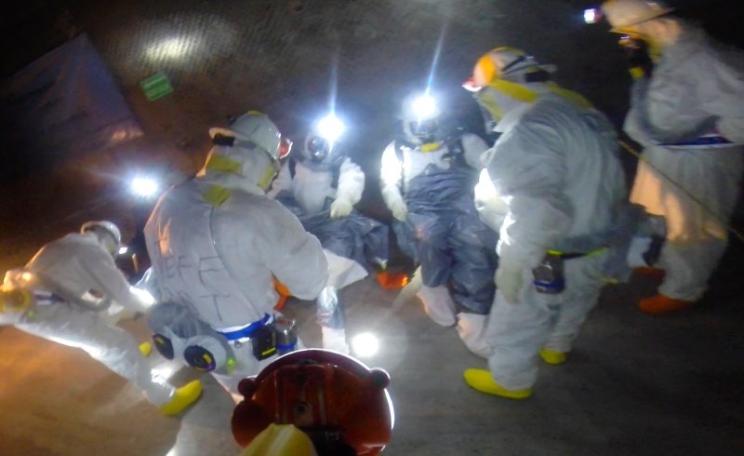
The clean-up after the February 2014 explosion at the world's only deep underground repository for nuclear waste in New Mexico, USA, is massively over budget, writes Jim Green - and full operations won't resume until at least 2021. The fundamental cause of the problems: high level radioactive waste, poor regulation, rigid deadlines and corporate profit make a dangerous mix.
With the conference of the CITES convention limiting international trade in endangered species taking place in South Africa this weekend, Chris Newman & Zhaomin Zhou highlight China's problem of out-of-date species names in its national laws. If they are not updated, it's only a matter of time before illegal wildlife traders escape conviction under under this legal loophole.
The Thai government was right to evict an indigenous community from the Kaeng Krachan National Park at gunpoint and burn down homes, a Bangkok court has ruled - even though one resident had lived there for 100 years and the Park was only created in 1981.
In response to a recent article published in the Ecologist, "Are the UK 'biomass sustainability standards' legitimising forest destruction?", SCS has prepared this point-by-point rebuttal to several misleading and inaccurate statements, and invites readers with additional questions to contact us directly.
A handful of right wing media billionnaires have been using their newspapers as propaganda rags to attack climate science and oppose climate action, writes Donnachadh McCarthy. Yet even 'climate leader' companies like M&S are fuelling their profits by advertising with them. Now a new #Deadvertisment campaign is demanding them to stop, right now.
With the Wall Street Journal warning that the GMO crop boom may be over in the face of superweeds, higher seed prices, falling yields and farmer antipathy, writes Pat Thomas, the Monsanto-Bayer merger is a sign of weakness as both companies struggle to deliver growth and profits to match shareholder expectations. We had better be ready to press home our advantage!
It's not that Dilma Rousseff, Brazil's ousted President, was wonderful for the environment, writes Ed Atkins. It's that Michel Temer's new regime is certain to be far worse. Plans are afoot to weaken environmental assessments for large projects like mines, roads and dams. And the new Minister of Agriculture is a notorious campaigner for hugely increased deforestation.
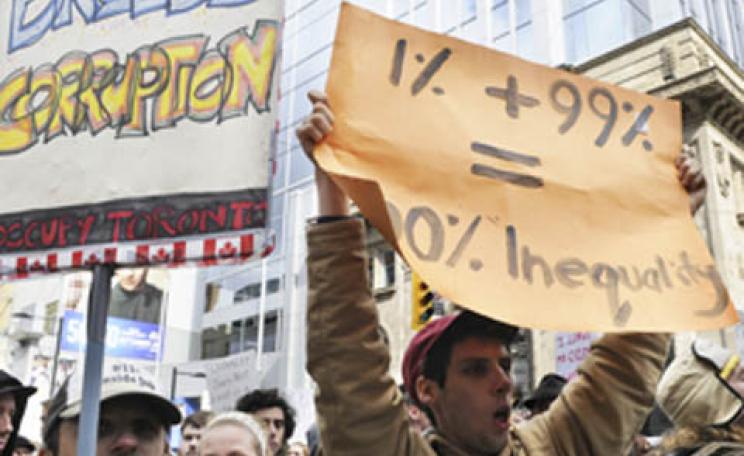
Mark Goldring, Chief Executive of Oxfam GB, reports on growing inequality arising from the current economic model that benefits the privileged minority.
Extreme inequality across the globe spells disaster for millions.
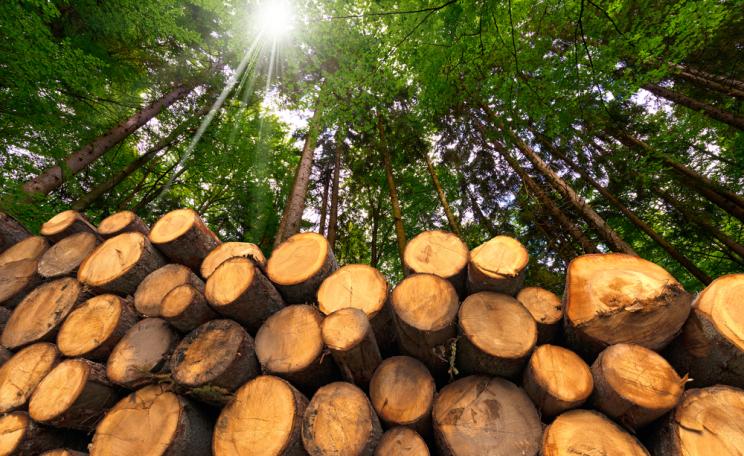
The destruction of the world's wilderness is accelerating with a new clutch of mega projects from dams, roads and mines to large scale agriculture, write James Watson, Bill Laurance, Brendan Mackey & James Allan. It's cost-effective to put a stop to it right now for the carbon value of wilderness alone - never mind the biodiversity and indigenous peoples it safeguards.
Bayer's $66 billion takeover of Monsanto represents another big click on the ratchet of corporate power over farming and food, writes Colin Todhunter. With the 'big six' of global agribusiness now set to turn into the 'even bigger three', farmers and consumers are facing more GMOs and pesticides, less choice, and deeper price gouging. Agroecology has never looked more attractive.