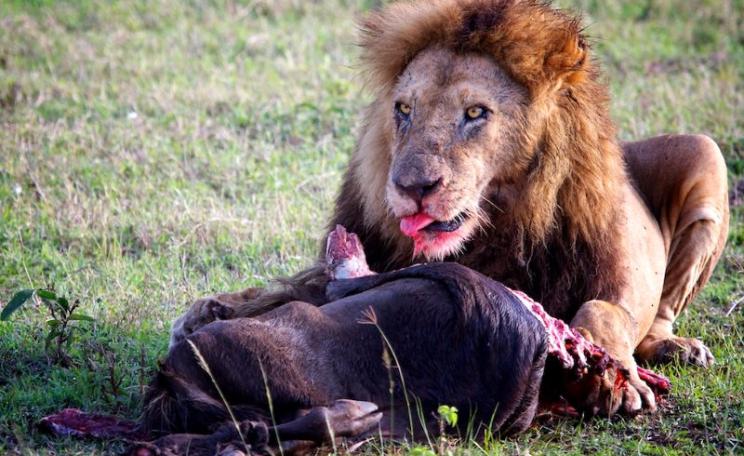
You might be forgiven for thinking that climate change is all about fossil fuels, writes Chris Lang. But with livestock farming causing around a sixth of global emissions, there's one quick, cheap way to cut our carbon footprints: go vegetarian, or better still, vegan. So what's taking us so long?
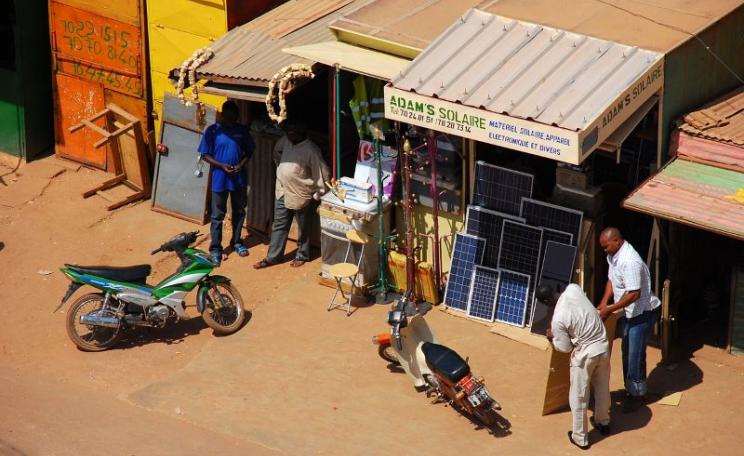
The world economy and energy use both grew in 2014 - but carbon emissions did not, writes Alex Kirby. The reason? The worldwide surge in renewables, especially in China, has reduced demand for coal in power generation.
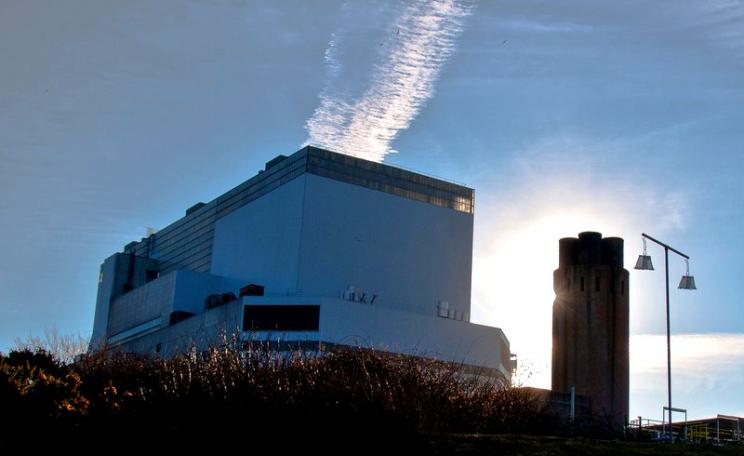
Will Labour turn against nuclear power? As Chancellor, Ed Balls would have cancelled Hinkley C due to its massive cost, writes Ian Fairlie. But he never got the chance, and now the party remains muted even though the Government's nuclear enthusiasm is completely out of kilter with reality. To end nuclear's grip on Labour there's only one choice of leader: Jeremy Corbyn.
It's time to halt the loss of the nation's front gardens to dreary paving, writes Jenny Jones. Green gardens protect against floods, provide homes for wildlife, keep cities cool in summer, and help us all feel happier. Now, with 7 million gardens already paved over, we must protect those that remain.
In his new book environmental journalist Michael McCarthy bears witness to the astonishing decline in the once common wildlife of our countryside of the last few decades. But as Chris Rose writes, he does far more than bemoan the losses as he shares with us the joy that he still discovers in nature.
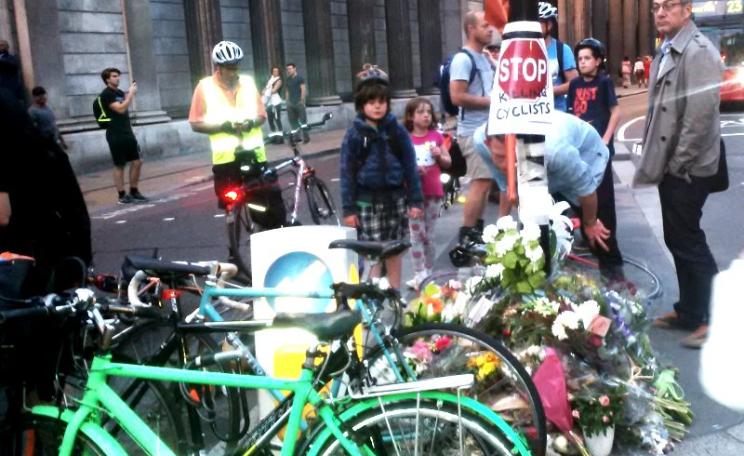
Following a monstrous spate of cyclist deaths in London, protestors are gathering outside the Bank of England tonight to demand: stop killing cyclists! The UK's peaceful cycling revolution is now under way, writes Donnachadh McCarthy, who invites us all to join the movement to make our cities safe for humans.
In a dramatic decision this morning, Lancashire county councillors voted 9:3 to reject Cuadrilla's planning application to frack at Preston New Road, defying the warnings of their own planning officers.
Nineteen African nations meet today in Arusha, Tanzania, to finalise a 'plant protection' protocol that would open up the continent's seeds to corporate interests, taking away farmers' rights to grow, improve, sell and exchange their traditional seeds, while allowing commercial breeders to make free use of the biodiversity they embody, to sell them back to farmers in 'improved' form.
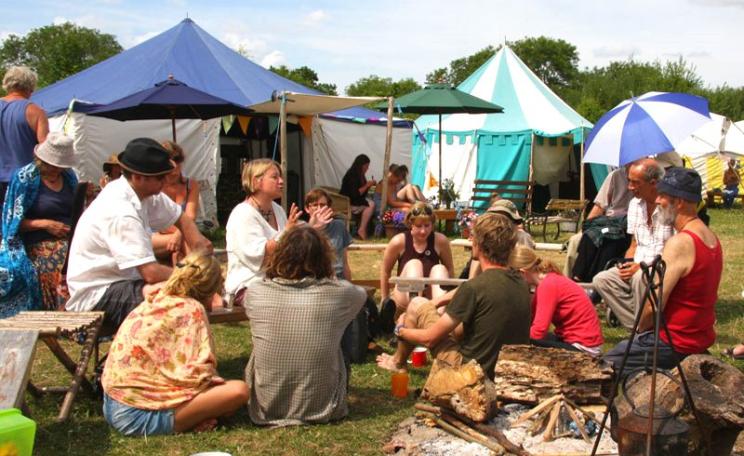
Resurgence-in-Action brings together an eclectic mix of people who care about the same things - and throws in a great dollop of fun, laughter, world class music, provocative discussions and fantastic vegetarian foods. Susan Clark looks forward to this summer's festival.
Independent legal advice shows that Lancashire councillors can refuse Cuadrilla's application for planning permission to frack at the Preston New Road site in Lancashire - contrary to advice from the Council's officers.
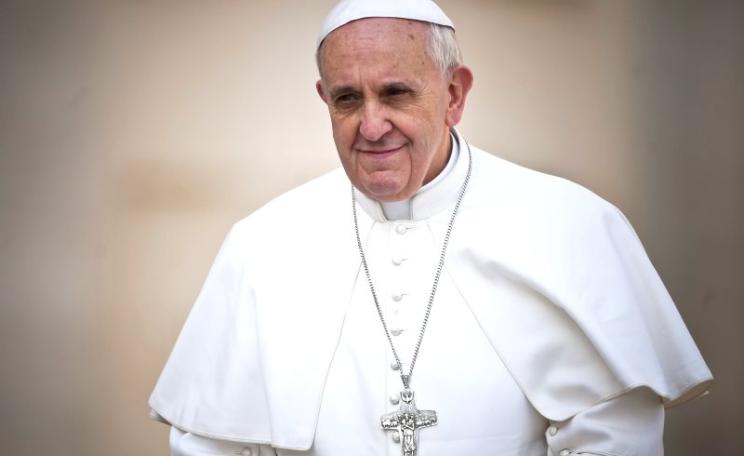
We must beware an 'environmental' agenda that excludes the human dimension, Pope Francis writes in his recent Encyclical: the poor are least to blame for the ecological and climate crises, yet they are its primary victims. Humanity must make enduring decisions about the world we and our children will share.
Technology is crucial to all the big issues, but criticism is hampered by mythologies and structures of power, writes David King. Designed by and for corporate interests, modern industrial technologies embody a 400-year old technocratic philosophy of control of nature and people which must be confronted.
Cuba is a global exemplar of organic, agroecological farming, taking place on broad swathes of land in and around its cities, write Julia Wright & Emily Morris. These farms cover 14% of the country's agricultural land, employ 350,000 people, and produce half the country's fruit and vegetables. But can they survive exposure to US agribusiness?
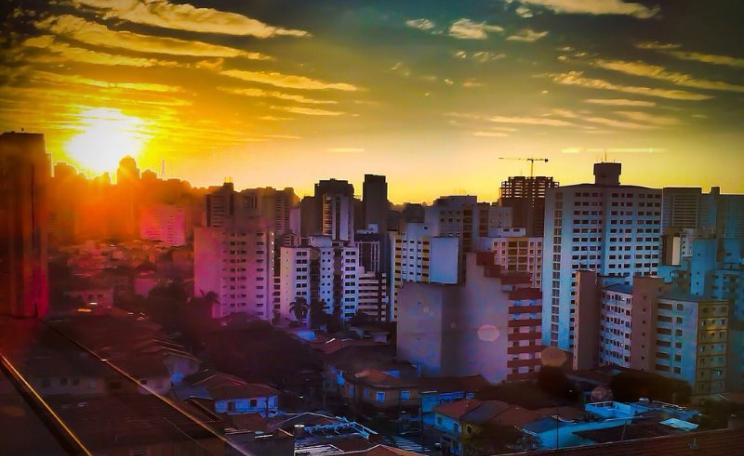
After four years of low rainfall Brazil's commercial capital, Sao Paulo, is suffering from a grim combination of high temperatures and water shortages, writes Leila Carvalho. And now the drought has given rise to a lethal plague of dengue fever.
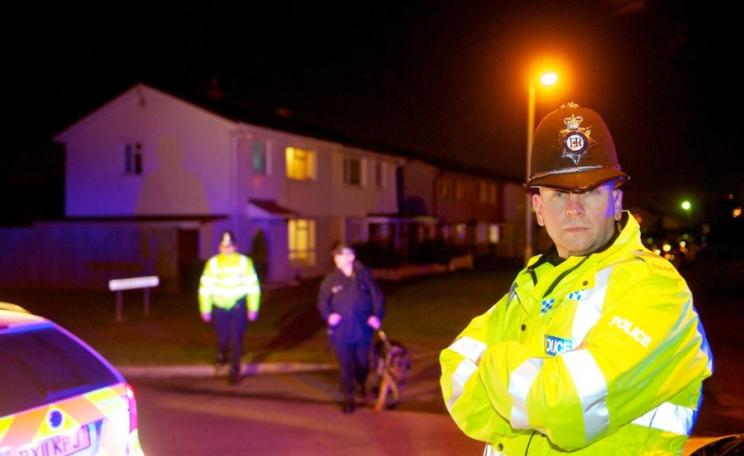
UK police now have free rein to create 'dispersal zones' in public places, writes Josie Appleton. This allows them to exclude people for anything from street drinking to looking suspicious, being homeless, protesting, or merely 'congregating'. This represents a serious breach of our Common Law and Magna Carta rights.