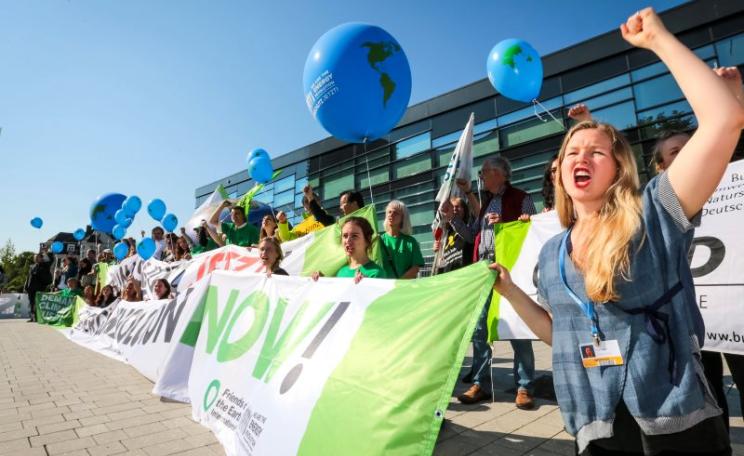
UN climate talks in Bonn ended today without the progress needed to secure agreement at the Paris COP in December - shortly after the G7 issued aspirational climate promises devoid of action, and heedless of warnings that Germany is already suffering the impacts of climate change.
Oxford Council's Executive Board meets today to decide whether to criminalise 'noncompliant' busking, pavement art, cycling and other activities in the City's vibrant public spaces, punishable with a £1,000 fine. Jonny Walker wrote them this Open Letter.
A consistent pattern is emerging in the UK government's plans and policies, writes Paul Mobbs: the stripping away of human rights and freedoms; the detachment of public institutions from democratic accountability; an increase of the powers of the state; and the empowerment of corporations at the expense of people. We must act to preserve our liberties, while we still can.
While we face 'hard choices' about which species and ecosystems to conserve, it's odd how we face no such quandaries over which of our frivolous luxuries to refrain from, or what murderous weapons system not to build, writes Derrick Jensen. And of course, there's no question at all of tackling the root causes of global ecocide.
A long scheduled vote on the TTIP was suddenly postponed in the European Parliament today, writes Nick Dearden. Officially, this was because there were 'too many amendments'. But in reality TTIP backers smelt defeat and ducked the democratic test.
The Panorama programme on GM foods and crops last Monday was a masterpiece of spin, bluster, misrepresentation and outright deceit, write Lawrence Woodward & Pat Thomas, with the BBC's top investigatory strand hijacked to force feed the UK population with the purest of pro-GMO propaganda.
When Martin Cradick and Su Hart travelled to West Africa in 1992, little did they know the journey would set their lives on a whole new direction, writes Matthew Newsome. Inspired by the Baka people of Cameroon's rainforest and the joy that resonates through their music, they are now dedicated to saving this vulnerable people using their magical music to reach into people's hearts.
A new Trade Secrets law to be voted on next week by the European Parliament threatens a massive clampdown on journalists and whistle-blowers, write Anne Friel & Anaïs Berthier, giving corporations the right to sue those who disclose private information even in the public interest to protect health, safety and environment.
After six decades of oil exploitation, Nigeria's failure to provide for its citizens and develop its economy has exposed a hollowed-out state that benefits only the politicians and plutocrats, writes Joshua Goldfond. This is the environment in which Boko Haram has flourished, and as Nigeria proves incapable of effective action or reform, there's no end in sight to the nation's misery.
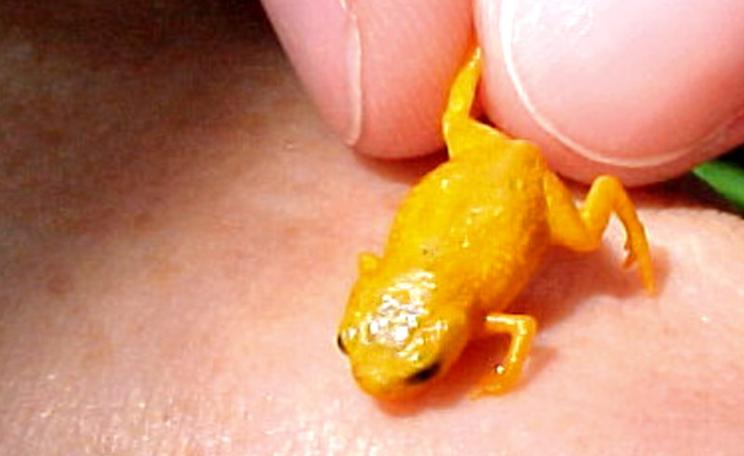
The Atlantic rainforest of Brazil is a biodiversity treasure, writes Miranda Dyson - as exemplified by the discovery of seven minute and beautiful frogs. But with the forest already reduced to under a tenth of its original extent, and going fast, they and countless other species may not survive much longer.
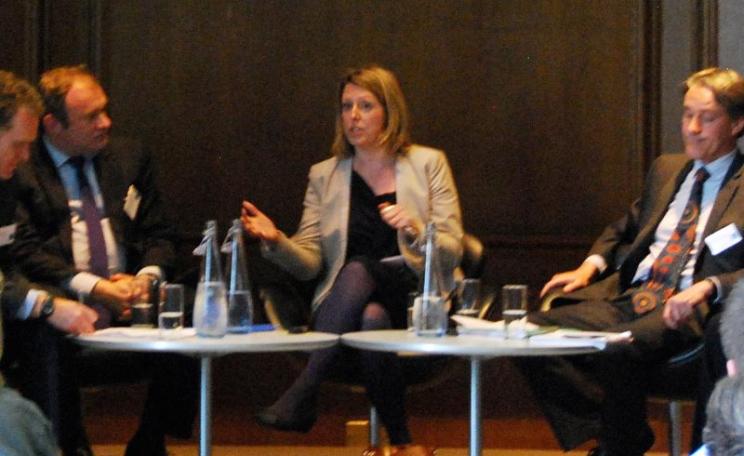
Faced with the task of decarbonising our electricity supply, it would be foolish to rule nuclear power out of the mix, writes Baroness Worthington, in her reply to Dr Becky Martin, whose open letter was published in The Ecologist.
Friends of the Earth opposes new nuclear power stations in the UK. And that's great, writes Jonathon Porritt, except for their complete failure to campaign about it - even though the government's nuclear obsession is a huge obstruction to the renewable energy future FoE says it wants. Please can we have some action now?
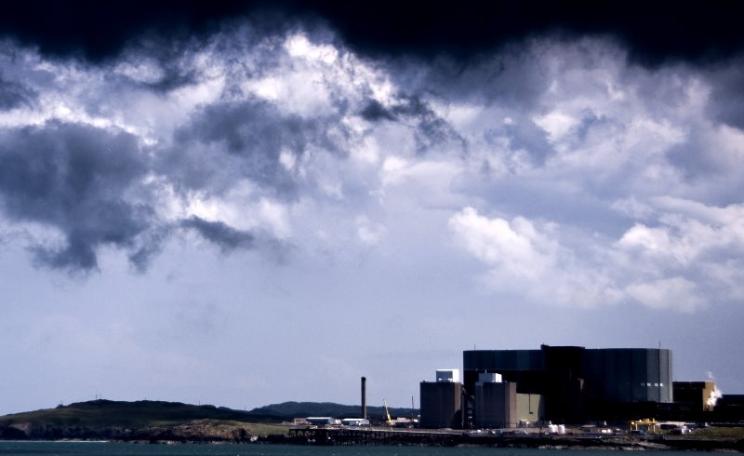
A study of cancer incidence downwind of the Trawsfynydd nuclear plant in Wales shows a doubling of risk, writes Chris Busby, mainly from breast cancer. People eating fish caught in Trawsfynydd Lake are also at elevated risk. It's yet more proof that the nuclear industry's favourite risk model is wrong, understating the actual dangers of internal radiation - ingested or inhaled - by a factor of 1,000 to 10,000.
A new tactic of non-violent resistance secured a future for the people of Apaa, Uganda, after a violent government-backed land grab had threatened to turn their village and farmland over to a sports hunting business, writes Phil Wilmot. The unlikely leader was Anek, a respected grandmother of the village, whose naked protest sent both troops and government ministers packing.
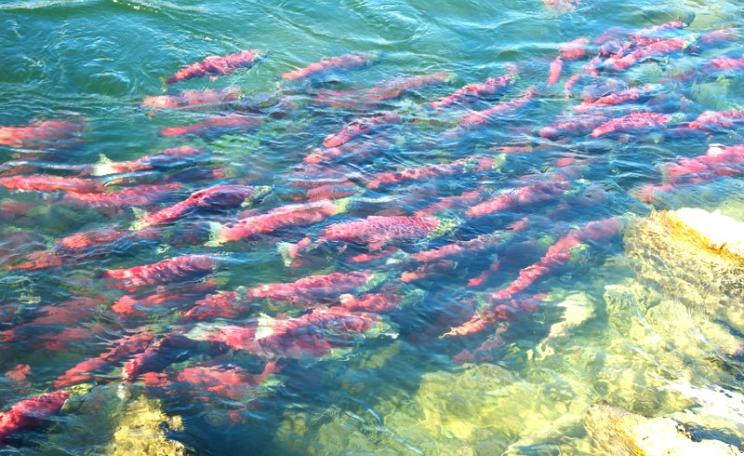
Does the Canadian Government actually want to wipe out its wild salmon? To ordinary, sane people, the idea is completely mad, writes Jeff Matthews. But for resource extraction industries, salmon farmers and right wing neoliberal politicians, it could make perfect sense.