Ecologist Tom Langton continues to make the case that the only way to eradicate bovine TB is through proper testing and not through badger culling which simply doesn't work
The IUCN has mysteriously placed Homo sapiens outside its systems of thinking when defining the criteria for Critically Endangered, Endangered and Vulnerable Species, writes Willemijn Heideman: our collective inability to tackle our existential crises makes our survival on this planet a highly uncertain prospect.
Britain's ash woods are under threat from a fast-spreading 'dieback' disease, write Steve Woodward and Eric Boa. With 3% of ash trees resistant to the fungus, the species should just be able to survive. But now scientists fear the arrival of the Emerald ash borer beetle, already infesting forests in the US and mainland Europe. Could the two combine to push our ash trees into extinction?
The conflict between lions and Africa's cattle herders goes back centuries, write Grant Hopcraft and Sara Blackburn - and lions have been the big losers in recent years. But where local people benefit from ecotourism, that ancient enmity can quickly be set aside. 'Community conservancies' around formal protected areas are helping both lions and indigenous communities to survive and thrive.
Monarch butterfly numbers are dwindling despite protection of their wintering forests in Mexico, and voluntary schemes to restore their food plant, milkweed, in US field margins, writes Eva Sirinathsinghji. These measures alone are insufficient: no less than an end to the mass spraying of glyphosate on crops, predicated by 'Roundup-ready' GM corn and soy, will do.
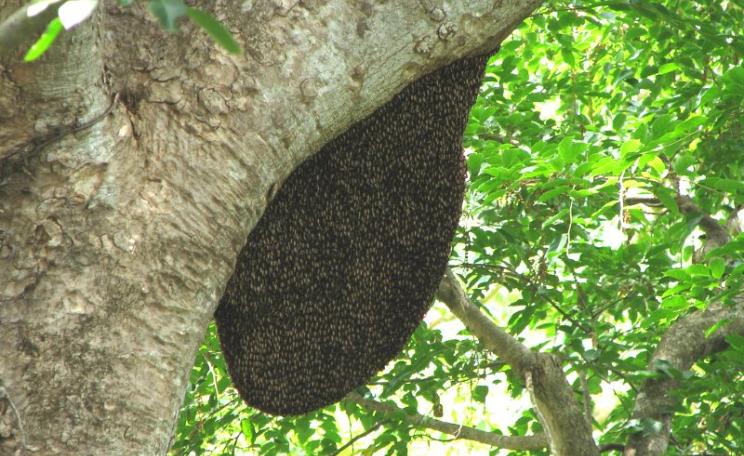
A warming climate and the loss of natural areas are driving Indian bee colonies to the brink, writes Premila Krishnan. Losing this cousin of our European honeybee could be disastrous, as rural communities depend on their honey for food and income, and the bees perform vital pollination services.
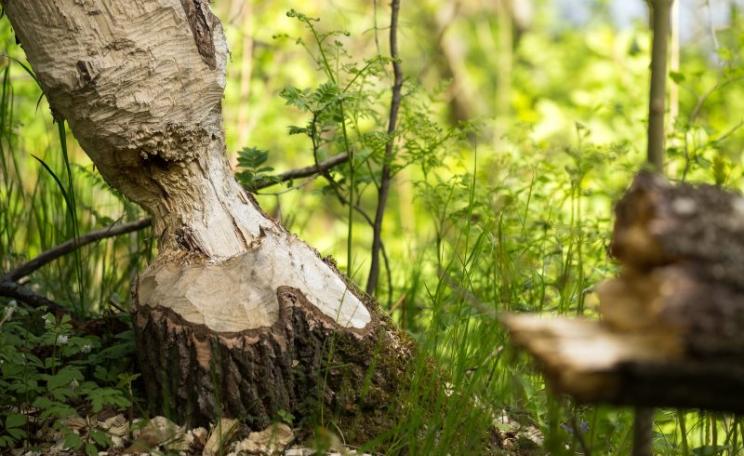
Beavers are Britain's native aquatic engineers and their return to sites in Scotland and England is doing wonders for the local environment, write Nigel Willby & Alan Law: restoring wetlands, recreating natural river dynamics and ecology, filtering farm pollutants from water, and improving habitat for trout and other fish.
Australia's rainforest state, Queensland, is destroying well over 100,000 hectares of native vegetation a year, and rising, write Martine Maron, Bill Laurance & colleagues, including 'at risk' habitats and Koala bear forests. This is more than reversing the entire nation's eco-restoration programs and pushing endangered species ever closer to extinction.
The new People Need Nature report - published to coincide with this week's annual Oxford Real Farming Conference - warns that modern farming practices are not good for wildlife. But they're not good for humans either. And with predictions that we will need to produce 70 per cent more food to feed a third more mouths by 2050 the question of seed ownership and diversity cannot be ignored. KATHRYN HINDESS reports
Humanity is continuing to drive species into extinction at a terrifying rate, writes Robert J. Burrowes - not just nameless beetles and midges, but mammals, birds, reptiles, amphibians, fish and trees. The biggest causes are habitat destruction, pollution and hunting ... and unless we stop soon, we too will be among the victims of our ecocidal attack on Earth.
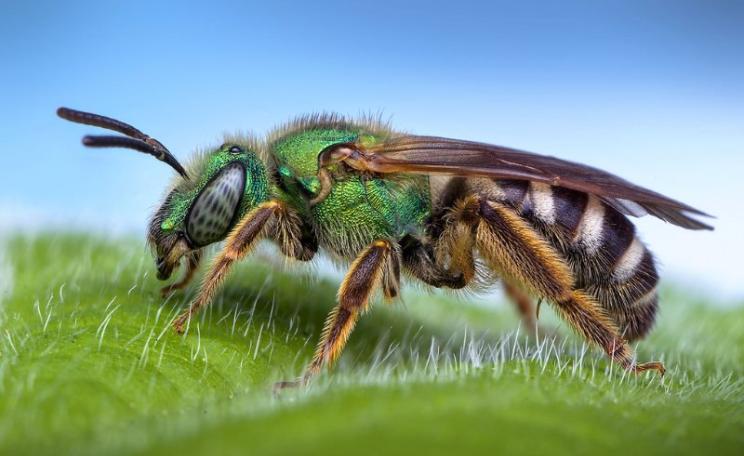
Wild bee decline is closely associated with the advance of intensive farming and habitat loss, a new study shows. It follows an earlier paper that linked 'delayed action' decline of wild bees to exposure to pesticides including fungicides - previously considered 'bee-safe'.
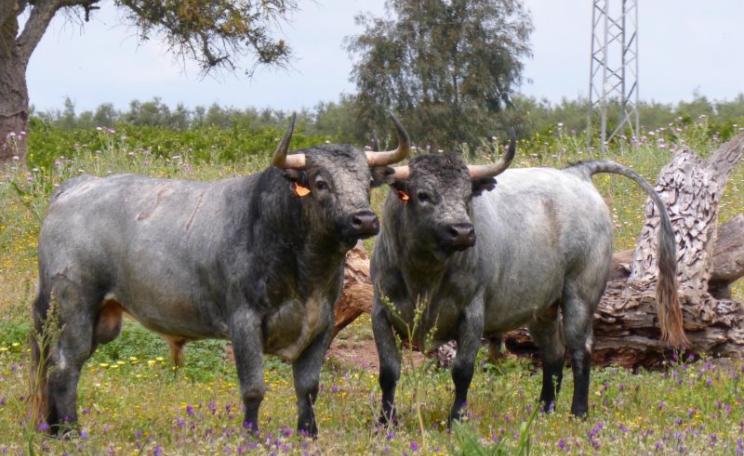
Bullfighting may cause suffering to animals, but that does not mean the EU should ban it or withdraw farm subsidies, writes Robin Irvine. Traditional bull-breeding estates are valuable reservoirs of biodiversity in intensively farmed landscapes, and without the bulls there would be nothing to sustain them.
India's Genetic Engineering Appraisal Committee stands accused of Contempt of Court for evading Supreme Court orders to carry out full biosafety tests on GM crops and publish its data, writes Colin Todhunter. The immediate issue is a herbicide tolerant GM mustard now approved for large scale trials, while earlier findings remain under an impenetrable veil of official secrecy.
Yellowstone Park is home to America's last pure-bred wild bison, writes George Wuerthner. Yet the Park's management is planning to kill around a thousand of these precious animals this winter. Ostensibly it's to protect cattle on public lands near the park from brucellosis. But bison have never been known to transmit the disease to them. The real reason is to keep all the pasture for livestock.
As COP21 reaches its endgame, there are plans to build 2,440 coal-fired power plants around the world, write Mowdud Rahman & Greig Aitken. Their completion would send global temperatures, and sea levels, soaring. Yet Bangladesh, the world's most 'climate vulnerable' large country, has plans for a 1.3GW coal power plant on the fringes of its World Heritage coastal wetlands.