Ranchers can deliberately abuse public land and the wildlife that lives on it at will, writes George Wuerthner, confident that any breaches of the law are likely to be overlooked. But it's another thing altogether if you're trying to protect that land from destructive exploitation. Why the double standard?
In this imaginary letter to the father of modern taxonomy and ecology, Carl Linnaeus, about the current status of life on Earth, Gianluca Serra suggests renaming the human species from the self-satisfied 'wise' to 'obtuse' - if only to spare us from the ridicule we so richly deserve for our collective insanity.
Bangladesh's Sundarbans forest, home of incredibly rich biodiversity, is under unprecedented threat, writes ASMG Kibria. The recent oil tanker capsize on the Shela river puts the forest at risk of widespread biodiversity loss, but just this week, the authorities re-opened the Shela river to shipping with no restrictions on hazardous cargoes.
Nuclear energy is essential to preserve the world's biodiversity, according to 69 conservation scientists. But there's a mysterious omission in their analysis, writes Jim Green: nuclear weapons proliferation. And after a major exchange of nuclear bombs, and the 'nuclear winter' that would follow, exactly how much biodiversity would survive?
The white rhino is in deep trouble after a new surge of poaching. But the fact that it's there at all is largely thanks to one man: Ian Player, who saved the white rhino from near-certain extinction in the 1960's. Earlier this year Nicola Graydon met Dr Player at his home in South Africa, to record his last major interview.
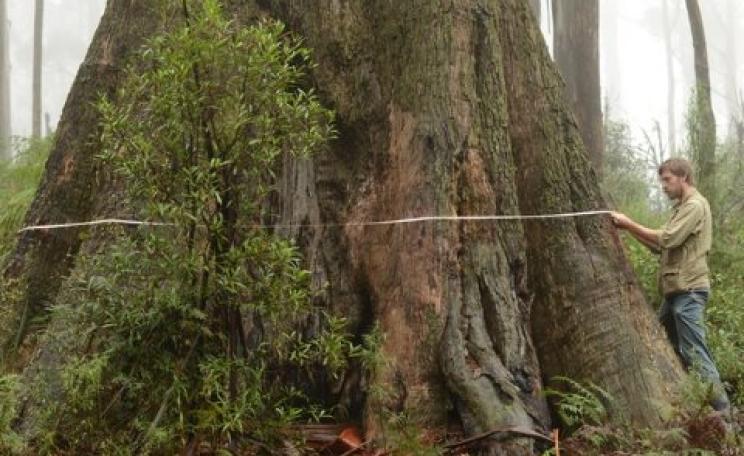
Australia's Labor scored a big win in Victoria's election this weekend - and with the party's 'green' policies that's potentially good news for the state's exploited forests. Now's the time to keep campaigning for the early creation of a Great Forest National Park.
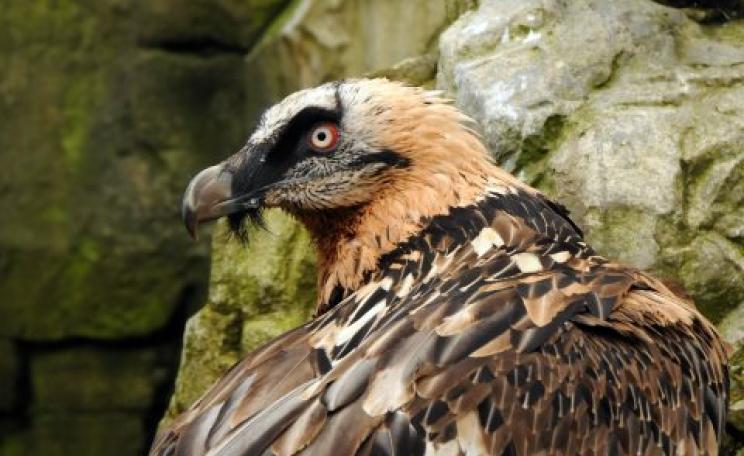
Vultures have become one of the most threatened families of birds on the planet thanks to poisoning by the veterinary drug diclofenac. Now Birdlife has discovered that it's on sale in Europe - threatening to wipe vultures out and undermine significant EU investments in vulture conservation.
We know that Australia's dry bush has co-evolved with fire, so that means regular planned burning is a good thing? Up to a point ... some increasingly rare species depend on 'old growth' bush up to 100 years old, and over-frequent burning is putting them under long-term threat.
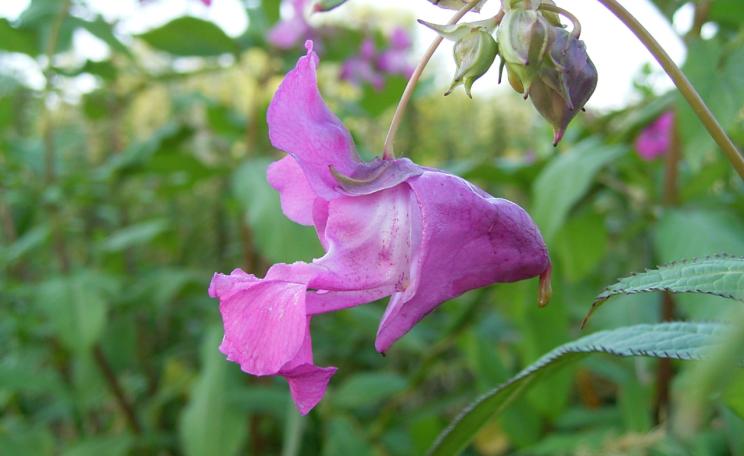
Even if you love Himalayan balsam, it has surely become too much of a good thing as it takes over Britain's wetlands and riverbanks. But now it's facing a major setback - the deliberate introduction of a parasitic rust fungus from its native range in the mountains of Asia.
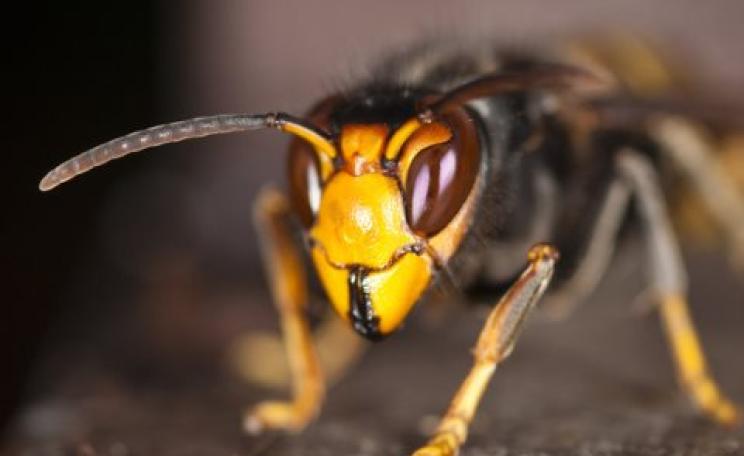
Mussels, crabs, hornets and ... racoons? Future invasive species are not what you might expect, write Jodey Peyton & Helen Roy. In particular, we have to beware of 'ecosystem engineers' that can transform the environment they inhabit, creating ecological havoc for other species.
Patented and 'indentured' seeds are fast taking over the world's food supply, write Jack Kloppenburg & Irwin Goldman, terminating farmers' and gardeners' ancient right to develop new varieties, and forcing them to buy seed anew for every crop. Enter the Open Source Seed Initiative ...
A string of events earlier this year provided a sobering snapshot of a global climate system out of whack, writes Peter Fisher. Could it represent the end of a rare 10,000 year island of stability in global climate? If so, we had better get used to it. The Earth may never be so comfortable again ...
A Pennsylvania seed library stands accused of 'agri-terrorism' over alleged breaches of the Seed Act 2004, reports a bemused Kevin Carson. Have USDA and state agriculture departments become the enforcement branch of the agribusiness crime syndicate?
Recent decades have seen a hardening global clampdown on the rights of farmers to use, save, develop, share, swap and distribute the seeds that produce the food we all eat, writes Andrew Kimbrell - and which constitute an essential common heritage of mankind. Here's his plan to fight back against the seed monopolists ...
Already 56,000 people have pledged to support a global 'internet seed swap' initiative promoted by Avaaz, writes Julian Rose. Trouble is, the plans are deeply flawed, and have been developed without consultation with major seed saving groups worldwide.