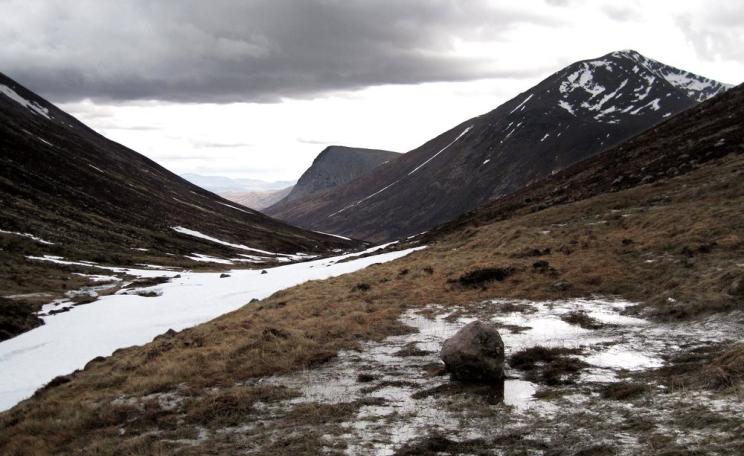
Northern Ireland shows just how much we need the EU's laws protecting nature, writes Andy Atkins - and for the Government to enforce them. The province's wonderful natural heritage is at risk from aggressive and often unlawful developments. And the EU nature laws are essential for us to fight off a host of threats - among them sand dredging, gold mining, road-building and over-fishing.
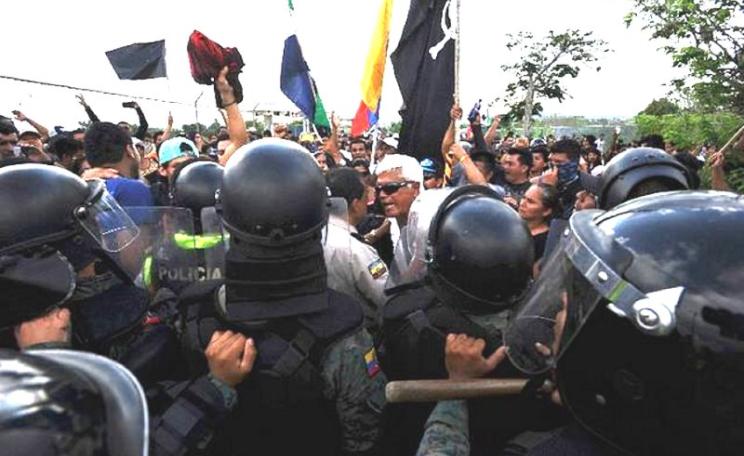
Residents of Ecuador's Galápagos islands are mounting angry protests against government plans to open the World Heritage Site to foreign investment in luxury tourism and hotels, writes Jane Shaw. They fear for the fragile ecology of the islands, for water shortages caused by golf courses and swimming pools, and for their livelihoods which depend on current 'low intensity' tourism.
The previous government came in on a bold promise to be the 'greenest ever', writes Jonathon Porritt. But what we got was a shameful record of ideologically driven policies that promoted fossil fuels, undermined action on climate, obsessed over nuclear power, did nothing to arrest the decline in the nation's wildlife and biodiversity - and suggest even worse to come.
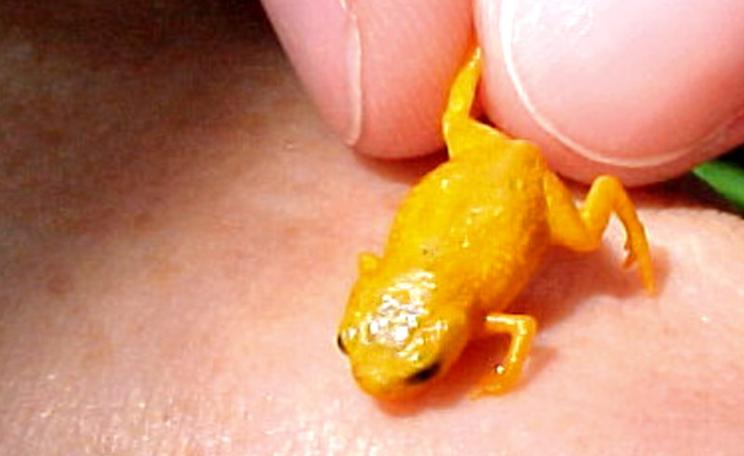
The Atlantic rainforest of Brazil is a biodiversity treasure, writes Miranda Dyson - as exemplified by the discovery of seven minute and beautiful frogs. But with the forest already reduced to under a tenth of its original extent, and going fast, they and countless other species may not survive much longer.
Conservation projects have pulled several endangered European birds back from the brink of extinction, but habitat loss, industrial farming, over fishing and climate change all represent growing threats that requires broader and deeper change in the EU and beyond.
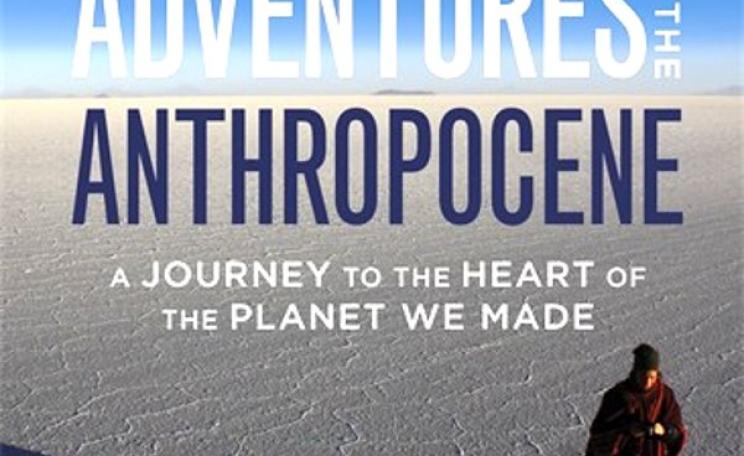
Gaia Vince's remarkable book is far more than a litany of the problems of global warming and mass extinction, writes Robert Hunziker. It's also an inspiring account of how people can respond to such crises in wonderful, imaginative, creative ways, achieving seemingly impossible tasks from seeding glaciers in the Himalayas, to holding back the desert with dew.
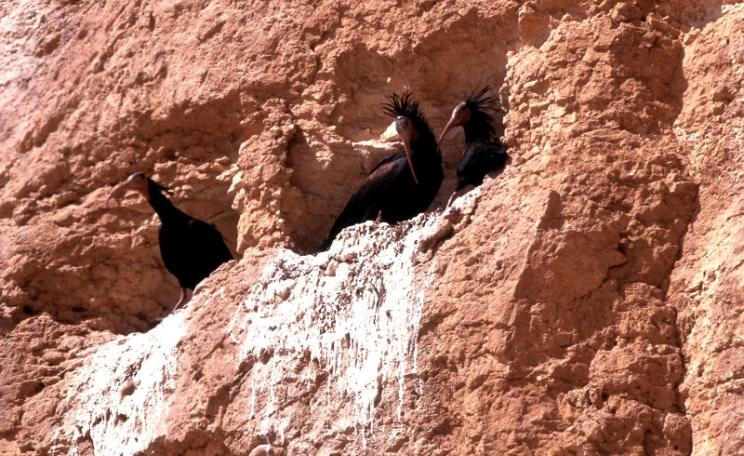
Reports that Syria's iconic Northern Bald Ibis colony is endangered by IS's capture of Palmyra are mistaken, writes Gianluca Serra. The species is already extinct as a breeding population for reasons unconnected with IS. The war that is destroying Syria came only as the last straw for a long-dwindling species whose plight the world chose to ignore.
Africa's poor environmental record has its roots in colonialism, which cut artificial boundaries through peoples and ecosystems, and left a rigid 'fortress conservation' ethic, writes Willem Daniel Lubbe. It's time for countries to adopt a new pan-African environmentalism, and transcend their colonial past.
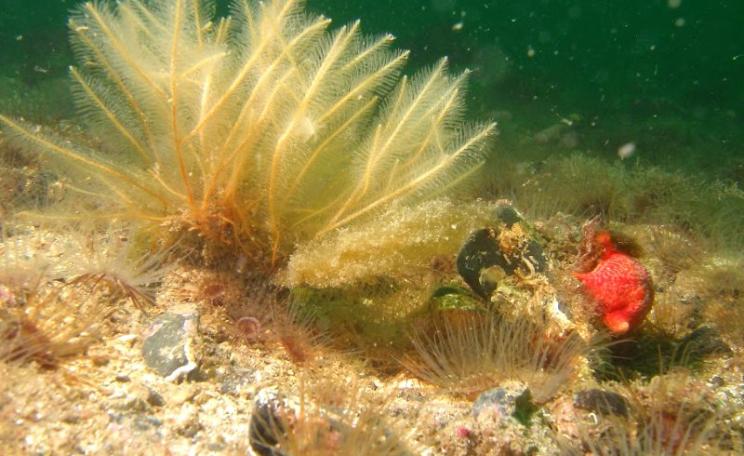
The strongly protected marine reserve in Lamlash Bay, Arran, has been a huge success, write Bryce Stewart & Leigh Howarth, with abandant life returning to the once denuded waters. The government's refusal to expand such protections represents a huge wasted opportunity for both fishing and the marine environment.
A coveted award has put the campaign to protect and recover marine life in the Firth of Clyde, Scotland, into the international limelight. Goldman Prize winner Howard Wood explains how Arran Islanders' efforts to keep scallop dredgers out of Lamlash Bay has brought life, and fish, back to the sea.
Large areas of forest remain around the world, writes David Edwards, but many of them are - in biological terms - dying on their feet as their species diversity erodes due to fragmentation. To conserve the full richness of our forests, we must keep them entire and unbroken, and rebuild the continuity of forest islands.
Advanced molecular genetic techniques are allowing scientists to breed disease resistance from wild grape varieties into susceptible domestic cultivars used for making wine, writes Andrew Walker. And it's all being done by conventional plant breeding accelerated by the use of DNA markers - with not a GMO in sight!
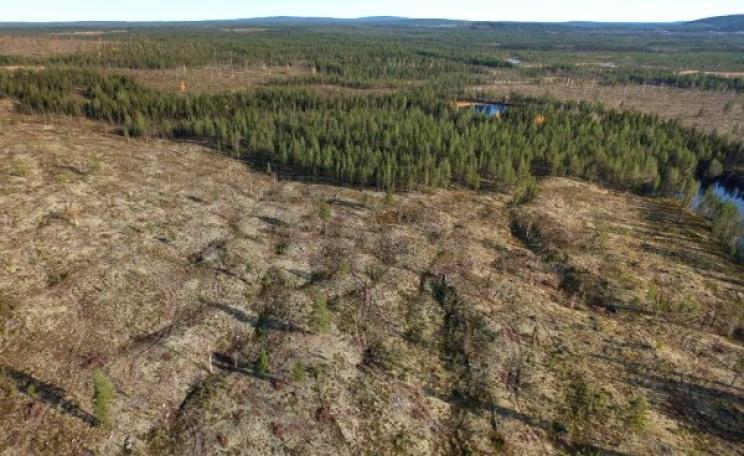
Sweden's biodiverse ancient forests will be largely wiped out within two decades, writes Alec Forss - and along with it will go thousands of species that depend on mature forest ecosystems. But with powerful logging companies riding roughshod over the law, regulators, politicians and certifiers, who is to stop the destruction before it's too late?
Countries at the UN have agreed to start formal negotiations on a new 'legally binding instrument' to conserve the biological riches of the high seas that cover 45% of planet Earth, and ensure their sustainable use for the benefit of all mankind.
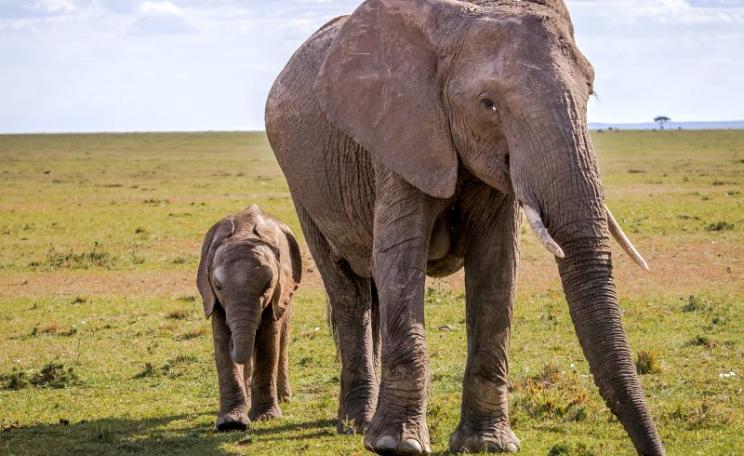
Ebola has wiped out a third of chimps and gorillas since the 1990s, writes Meera Inglis, and together with hunting and deforestation is pushing them towards extinction. So why haven't we even used a safe, effective Ebola vaccine developed for chimps and gorillas?