Africa sustains some of the most spectacular ecosystems on the planet - from the Sergengeti to the Congo Basin to the Eastern Arc forests. But those ecosystems and their iconic wildlife are now facing their greatest peril, writes William Laurance - a mining boom of unprecedented intensity.
The EU's farming policy is being touted as 'greener than ever' - but it's no such thing, write Lynn Dicks & Tim Benton. The 'green reforms' pay farmers for actions (and often inactions) that do not benefit wildlife, and contain no real or effective measures to help.
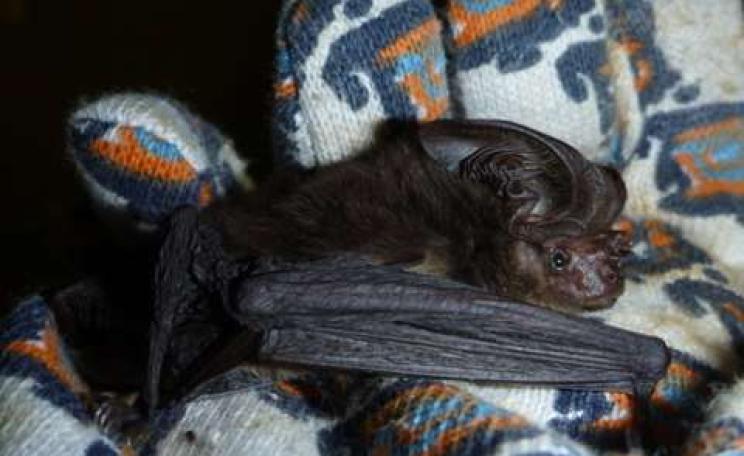
A 'microbat' that has remained unrecorded since 1890 has been discovered in Papua New Guinea. But with the country's forests under growing pressure from logging and for conversion to plantations, this and thousands of other biological treasures are at risk.
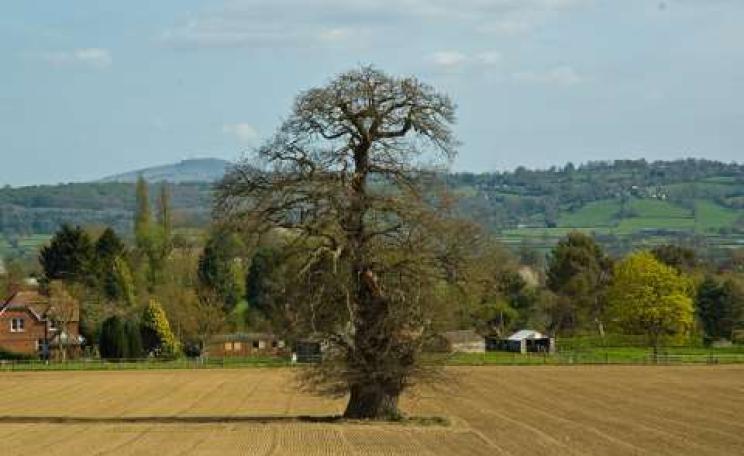
Owen Paterson has done it again - offering up ancient woodland for development via 'biodiversity offsetting' - planting new trees elsewhere. Trouble is, says Austin Brady, ancient woods are centuries in the making.
Despite hard economic times, a recent survey shows that two thirds of UK homebuyers would consider paying more for a house with a wildlife-friendly garden ...
The UK Government plans to allow biodiversity destroyed by development to be recreated elsewhere. Hannah Mowat of FERN believes the idea is both wrong and dangerous. The official consultation ends on 7th November 2013.
As the UK's badger cull sputters to its dismal conclusion, wildlife researcher Nicola Weber explains why the killing may lead to more, not fewer, tubercular infections of both badgers and cattle.
Yasuní National Park in the Ecuadorian Amazon is home to a record number of species. Now that the Yasuni-ITT Initiative has failed the future of those species hangs in the balance.....
As the UK government gives the go ahead for the country's first Biodiversity Offsetting (BO) scheme, Lorna Howarth explains why it will be a disaster for the nation's already declining wildlife
Of 5,500 badgers to be shot during the pilot culls, only 240 will be independently monitored for humaneness, it has emerged. And just 4 Natural England officials will oversee the killing in Gloucestershire and Somerset
Western consumers are inadvertently driving the Sumatran elephant to extinction by eating, washing and wearing - in cosmetics - the derivatives of a fruit that is destroying the animal's last remaining forest habitat. Jim Wickens reports