The UK's nuclear power programme is driven by military demands, write Andy Stirling & Phil Johnstone - but not in the way you might think. The most essential need is not for plutonium or tritium, but for a nuclear industrial sector to design, build and maintain the reactors that power nuclear submarines. Without them, the Trident missile system would have no military credibility.
Never mind Brazil's COP21 promises to cut its carbon emissions, writes Jan Rocha. New laws passing through Congress will encourage deforestation by removing safeguards and opening up indigenous territories to mega-projects. Serious drought is already contributing to a big increase in forest fires.
The massive methane leak at Aliso Canyon in California tell sus everything that's wrong with fossil fuels, writes Pete Dronkers: toxic, under-regulated, unsafe, and climate destroying. But the catastrophe also brings us a timely message: this is the time for the California, the US, and the world, to begin a rapid transition away from fossil fuels and into our clean, green, renewable future.
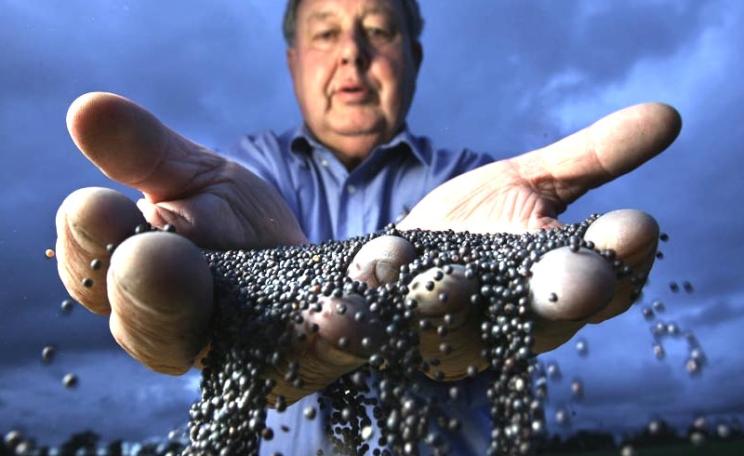
The TTIP 'trade agreement between the US and the EU would devastate EU farms as it opens them up to competition from larger, less regulated US operations, writes Dario Sarmadi. This is the conclusion of a new study to be published tomorrow, which also finds that small-scale farmers would be the first to go - with the big winners the large agri-food corporations.
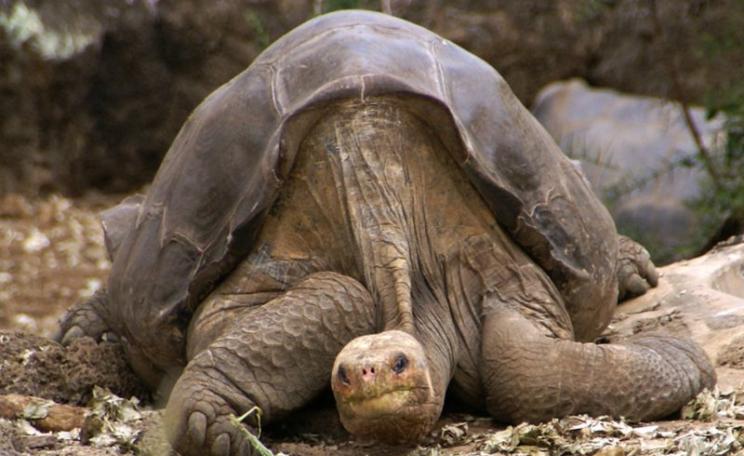
The endemic giant tortoises discovered by Charles Darwin on Floreana and Pinta islands in the Galápagos are extinct, write Luciano Beheregaray & Adalgisa 'Gisella' Caccone. But scientists have found that their genes live on in newly discovered hybrids on other islands. A selective breeding programme now aims to recreate the originals, and return them to their native islands.
The Philippines is taking a huge leap forward in the climate wars, writes Ellen Baker, with the world's 'top 50' energy giants standing accused of violating international human rights law as a result of their fossil fuel production. This is the first such investigation ever to take place anywhere in the world - and it just opened up a whole new front of corporate vulnerability.
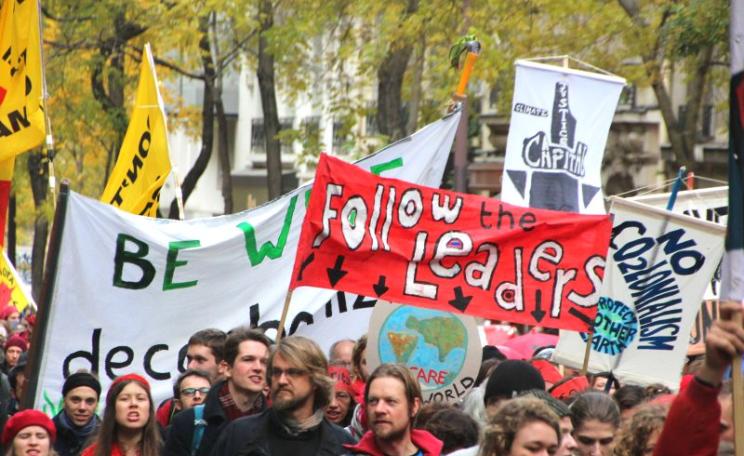
The Paris Agreement provides a clear mandate to limit global warming, writes Jeremy Brecher. And with governments doing nowhere near enough, it's up to ordinary citizens - through civil disobedience if needs be - to make sure the world breaks free from fossil fuels. Let's make 2016 the year of 'Climate Insurgency'!
The EU is considering the exclusion of gene-edited plants and animals from GM regulations, write Janet Cotter & Ricarda Steinbrecher. However gene-edited organisms clearly fall within the definition of GMOs in both European and international law. They also present real risks to the environment and human health - and must be regulated like any other GMOs.
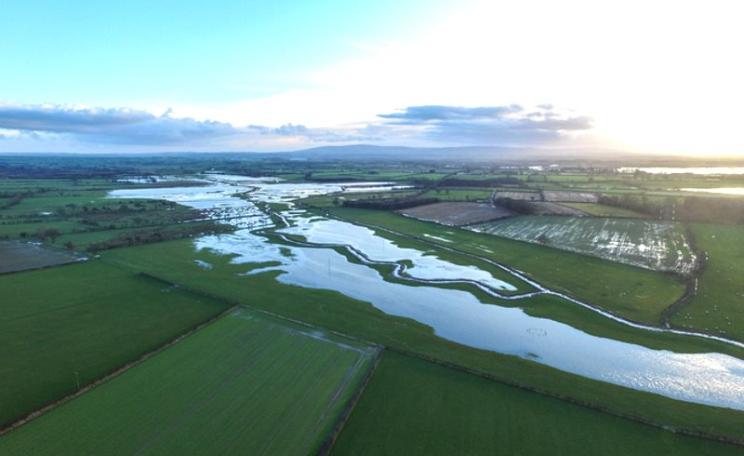
Changes to natural drainage processes in headwaters, rivers, floodplains and river channels has increased the UK's vulnerability to heavy rainfall, write Neil Entwistle & George Heritage. And to put things right, we must first gather the detailed evidence of what took place in recent floods. The Environment Agency must publish all its data, maps and images - now!
Each year the US Department of Agriculture manages to test for over 400 pesticides in food, writes Carey Gillam. But glyphosate, the world's biggest-selling herbicide, is not among them, even as evidence of its dangers mounts. It's time for USDA and EPA to stop their buck-passing - and give consumers their right to know.
A huge march of over 20,000 people including local farmers last weekend marked the biggest protest yet against a new international airport in France's Loire Valley. The peaceful occupation of a bridge was later attacked by riot police with tear gas and water cannon.
Bhaskar Save, the 'Gandhi of natural farming', died last year after a lifetime of organic growing and determined campaigning against the destruction of India's traditional, sustainable agriculture, writes Colin Todhunter. His 2006 open letter, published here, sets out a devastating critique of industrial agriculture and its impacts, and an eloquent and timely agroecological manifesto.
Renewable energy could supply Russia and Central Asian countries with 100% of their electricity needs by 2030, writes Paul Brown - and cut costs significantly compared to nuclear power and CO2-abated fossil fuels.
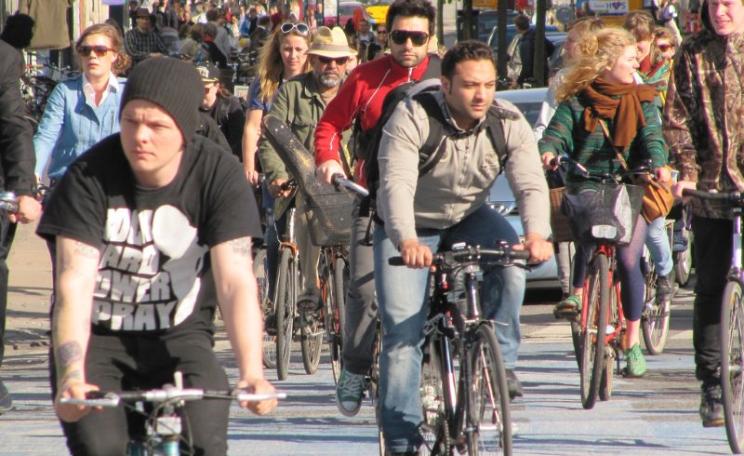
The world's big cities are choking with pollution and endless traffic jams, writes Colin Todhunter - except one. Copenhagen, faced with these problems half a century ago, decided to act. Now it is showing the world that cycling is not just the basis of a sustainable transport strategy, but is key to making our cities clean, green, human and livable. May the global revolution unfold ...
GMO promoters enthuse about how GM crops will be able to help the poor and hungry, far in the future, writes Claire Robinson. But they are silent about the currently-planted GM crops - 99% of them herbicide-tolerant or insecticidal. Could it be because opponents of the technology are being proved right at every turn?