The impact of the Paris Agreement on leading rating agency Moody's assessment of the world's fossil fuel companies is ... nothing at all. The one change is in Europe, where thermal generators have a worsening outlook, and renewables are 'credit positive'.
The emergence in the Paris Agreement of 1.5C as the global temperature rise the world should aim for is hugely significant, writes Natalie Bennett. But it's up to us, climate activists and ordinary citizens the world over, to make sure it's delivered.
The apparent conspiracy by the UK government and its agencies to conceal the real cause of death of 7-year old Zane Gbangbola may go right up to Prime Minister David Cameron, writes Paul Mobbs. He was chair of the COBRA emergency committee at the time when it appears to have held back the truth that he was killed by cyanide from the toxic landfill site his home was built over.
How to reconcile the Paris Agreement's target to deliver a temperature rise 'well under 2C', with its wholly inadequate mechanisms? Easy, writes Myles Allen: Make fossil fuel producers 'take back' their carbon so as to fit within a global carbon budget. And for fossil fuel producers in the rich world, that means there is no time to lose - specially to meet a 1.5C target.
Yellowstone Park is home to America's last pure-bred wild bison, writes George Wuerthner. Yet the Park's management is planning to kill around a thousand of these precious animals this winter. Ostensibly it's to protect cattle on public lands near the park from brucellosis. But bison have never been known to transmit the disease to them. The real reason is to keep all the pasture for livestock.
The Philippines were meant to be the US's sandbox for GMO development and penetration into southeast Asia, but that has all changed with a Supreme Court decision to ban GMO crop trials pending the development of new biosafety protocols.
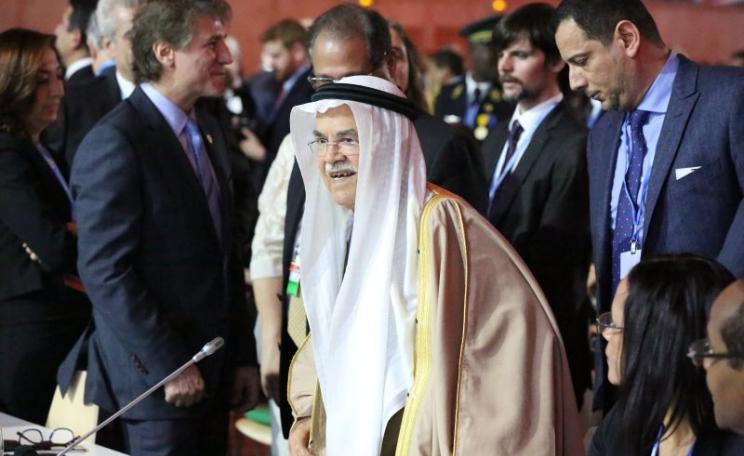
The Paris climate agreement contains plenty enough to get fossil fuel companies and exporters worried about their future, writes Kumi Naidoo. But it is lacking is in the mechanisms to deliver its aspirations. That's why the global climate movement has to escalate its fight against the carbon bullies, and for climate justice.
Overtaken by massive regional trade agreements like TPP, TTIP, CETA and TINA, the World Trade Organisation has slipped into the background, writes Polly Jones. But this week it's back with a vengeance, with its first big meeting in two years. The US's plan is to globalise the investment protection regime set out in the TTP, and open a new era of corporate rule and the eradication of democracy.
What's not to like about the promise of billions of dollars for clean energy R&D? It's that we need to get the global energy transition moving right now, writes Ambuj D Sagar, not ten years hence. The billions should go into the immediate global deployment of the renewable technologies we have already got.
As COP21 negotiators settle down for the night in their final attempt to thrash out a climate agreement, the official message is that a deal will be reached by morning, writes Pavlos Georgiadis. But key aims have been abandoned, big issues are far from resolution, and the latest text falls way short on ambition, finance and compensation for climate-related loss and damage.
Campaigners at COP21 in Paris are calling for a new 'upstream' carbon tax to be levied on fossil fuel producers, writes Henner Weithoener, and so send a clear market signal and finance poor countries' compensation for 'loss and damage' caused by climate change.
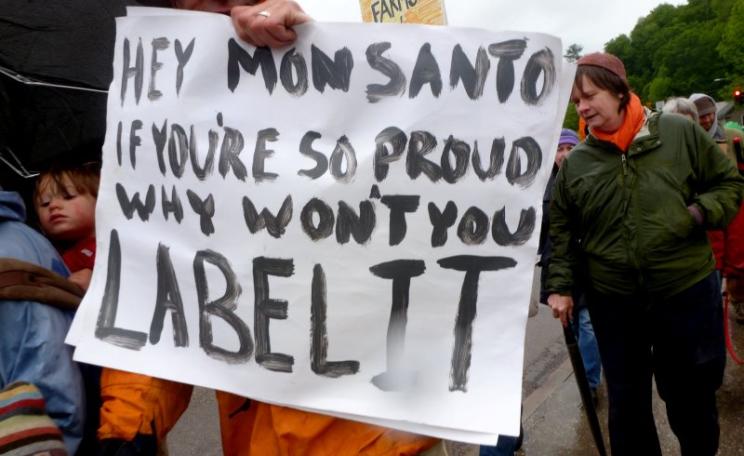
Pro-GMO US senators have a dastardly plan to deny states the right to require GMO labeling, writes Steven M. Druker, by attaching their DARK Bill as a rider to the Appropriations Bill next week. Now is the the time to wake up senators to the Bill's true intent, and to the deceit, illegal behaviour and scientific falsification that has kept the dangers of GMO foods a well kept secret - so far.
Coal prices are in terminal decline, writes Kyla Mandel, oil giant Statoil is calling for the strongest possible agreement, and the world's energy bosses are planning for a decarbonised future. COP21 is marking the definitive tipping point in the demise of fossil fuels.
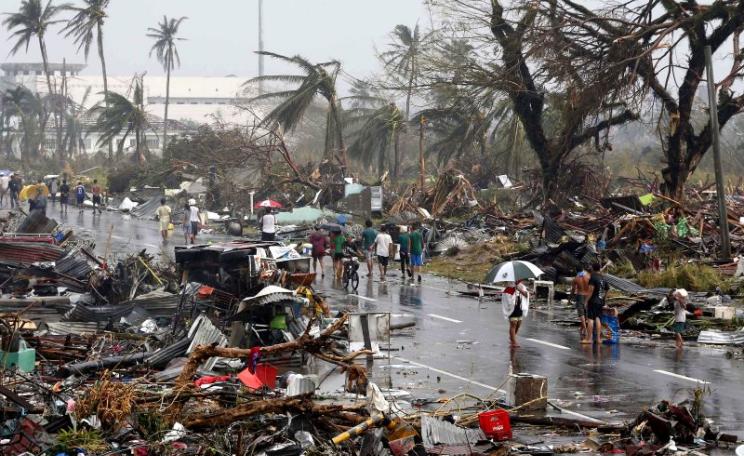
No matter what bullying tactics they encounter in the final stages of COP21, writes Laurence Delina, 'climate vulnerable' countries must hold firm - and demand a legally binding treaty that delivers deep emissions cuts and secure, sufficient climate finance, all backed by strong sanctions for non-compliance. Nothing less will do.
Who's the UK's foremost politician setting the agenda on climate change issues? Green MP Caroline Lucas, of course. Nick Breeze caught up with her at a COP21 event at the French National Assembly in Paris. The fossil fuel industry is in its last throes, she told him - but it's fighting back hard, and politicians are giving out very mixed messages: saying one thing, while doing another.