After years of half-hearted, ineffective polices to tackle deforestation, the EU is finally promising to take strong measures to deal with the problem, writes Sébastien Risso. Tackling illegal timber imports will be a great start, but it also needs to take on the far larger problem of deforestation for agriculture - stimulated by the EU's huge imports of palm oil, soy, beef and other commodities.
TransCanada has just made a big mistake by bringing its $15 billion lawsuit against the US government for refusing the Keystone XL pipeline, writes Sam Cossar-Gilbert. The move has exposed the real nature of 'trade deals' like TTIP and TPP - and why all democrats must rally to defeat them.
The cash-strapped French energy giant EDF may sell off profitable stakes in its in its eight existing UK nuclear reactors to raise money for the Hinkley Point C project. But with no example of the EPR design planned for Hinkley even near completion, it may all prove a risk too far.
As the evidence of the extreme harm to health inflicted by nuclear radiation mounts, the denialists are resorting to ever greater extremes, writes Chris Busby. On the one hand, advancing the absurd claim that ionising radition is not merely harmless, but health-enhancing. On the other, closing down the experiment that would have provided the strongest evidence yet.
At a time when the Labour Party is discovering its egalitarian roots, inequality is as much of an issue in the countryside as in the city, states this 'Rural Manifesto' from the Land Workers Alliance and The Land. The neglect and exclusion of Britain's rural poor and landless farmers must end.
Farmers on Palawan are being tricked into giving land away to palm oil companies with local government support, writes Rod Harbinson. Under the palm oil company 'leases' the farmers lose all rights to their land, never receive any money, and are saddled with 25 years of debt. Those who resist the land grabs are now in fear for their lives following the murder of a prominent campaigner.
The new People Need Nature report - published to coincide with this week's annual Oxford Real Farming Conference - warns that modern farming practices are not good for wildlife. But they're not good for humans either. And with predictions that we will need to produce 70 per cent more food to feed a third more mouths by 2050 the question of seed ownership and diversity cannot be ignored. KATHRYN HINDESS reports
Which of hand dryers or paper towels have the greatest impact on the environment? asks Simon Lockrey. Are your paper towels recycled or tree-pulped, your dryers power-hungry and long-blowing or short-blast and power-saving. Only full Life-Cycle Analysis can reveal the true punches these seemingly harmless items can deliver to our environment.
When it comes to farming, size matters. Currently, subsidies - received under the EU Common Agricultural Policy - are available only to farmers with more than five hectares of eligible land. Now, a new report by the charity People Need Nature published to coincide with the Oxford Real Farming Conferene (which starts today) claims that this "excludes the producers it should be supporting." KATHRYN HINDESS reports
Almost 60 years since the world's first commercial nuclear power station began to deliver power to the UK's grid, the industry remains as far from being able to cover its costs as ever, writes Pete Dolack. But while unfunded liabilities increase year by year, governments are still willing to commit their taxpayers' billions to new nuclear plants with no hope of ever being viable.
A radical new Seed Law drafted by Venezuelan people, farmers and NGOs was signed into law in the closing days of 2015, write William Camacaro, Frederick B. Mills & Christina M. Schiavoni. Striking back against the corporate takeover of seeds and peddling of GMOs, the Seed Law bans transgenic seeds, protects the country's germplasm, and establishes the legal foundation for a participatory, agroecological food and farming system.
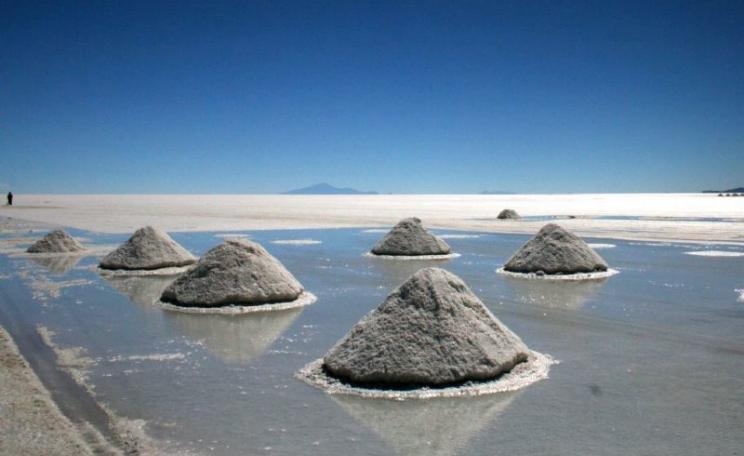
Lithium is a key global resource for the global energy transition thanks to its role in the lightweight, efficient batteries that will power cars and balance power grids, writes Rafael Sagárnaga López. But the booming demand threatens to contaminate one of the world's great wonders, the Salar de Uyuni, 12,000 feet high in the Bolivia's Andes, which holds 70% of the world's lithium reserves.
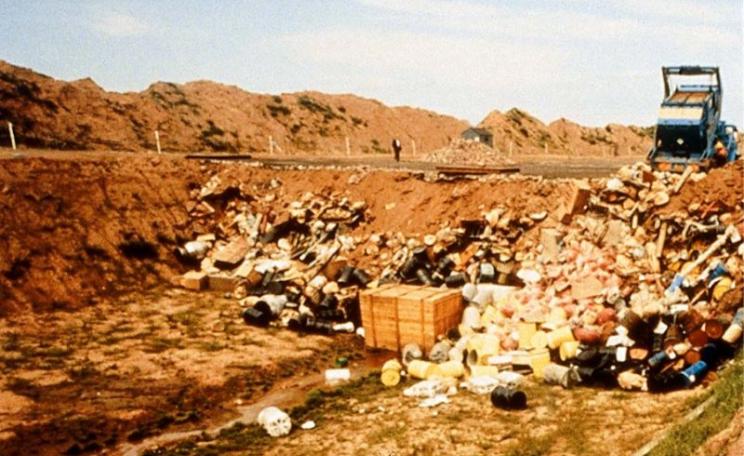
Following this month's intense rainfall in the north of England an Environment Agency alert has highlighted the flood risk to the crumbling nuclear waste dump adjoining Sellafield in Cumbria, writes Marianne Birkby - a dump which remains in use despite its condemnation by the EA in 2005 due to its likely destruction by rising seas. Now it really is time to close the gate on Drigg!
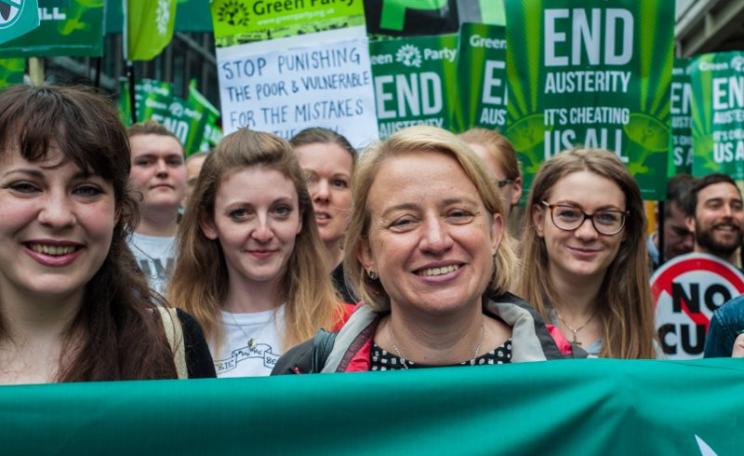
2015 saw the #GreenSurge that saw the Green Party's membership more than triple in a year and win over 1 million votes in the election, writes Natalie Bennett. Now we need to build on that success: winning representation in local authorities and working for a fair electoral system in which no vote is 'wasted' and we can all vote for what we believe in.
The more the GM industry claims to enjoy the support of 'science', the more it resorts to emotive attack and insult against its opponents, while doing its best to suppress the many scientific truths that are not to its liking, writes Colin Todhunter. In truth it is driven by profit, politics and ideology, and is based on fraud and the capture and corruption of governments and regulators.