As climate change brings more rain, Britain is suffering from the extinction here of our native flood engineer - the beaver. Louise Ramsay says it's high time to re-introduce these charismatic rodents all over Britain.
Humanity is continuing to drive species into extinction at a terrifying rate, writes Robert J. Burrowes - not just nameless beetles and midges, but mammals, birds, reptiles, amphibians, fish and trees. The biggest causes are habitat destruction, pollution and hunting ... and unless we stop soon, we too will be among the victims of our ecocidal attack on Earth.
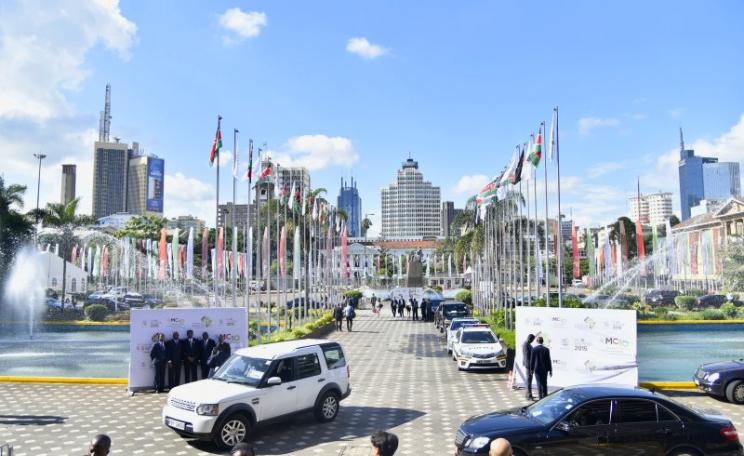
Rich nations at this month's World Trade Organisation summit in Nairobi failed in key objectives, writes Alex Scrivener, like the inclusion of investor rights as in TTIP, TTP and CETA. But the unfair order of global trade remains in place, and the greatest danger for poor countries is that the neoliberal agenda will now be forced upon them in opaque regional and bilateral trade deals.
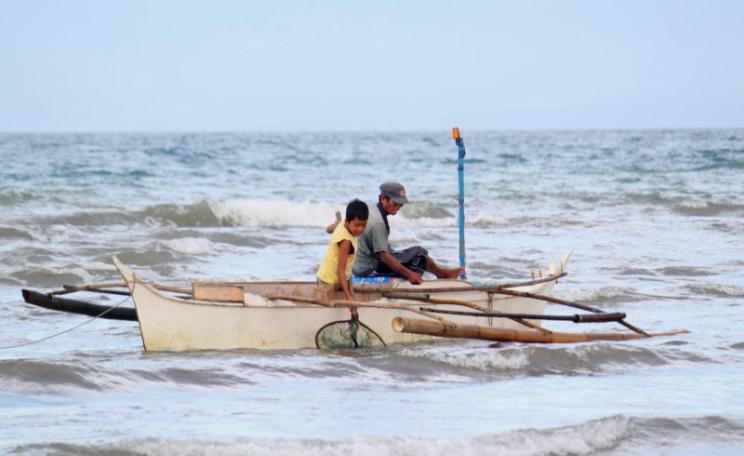
There is a simple formula for restoring life to over-exploited coastal fisheries, write Jane Lubchenco & Steven Gaines, and it has been proven to work from the Philippines and Indonesia to Mexico and Belize: to create local marine reserves for the exclusive use of local fishing communities.
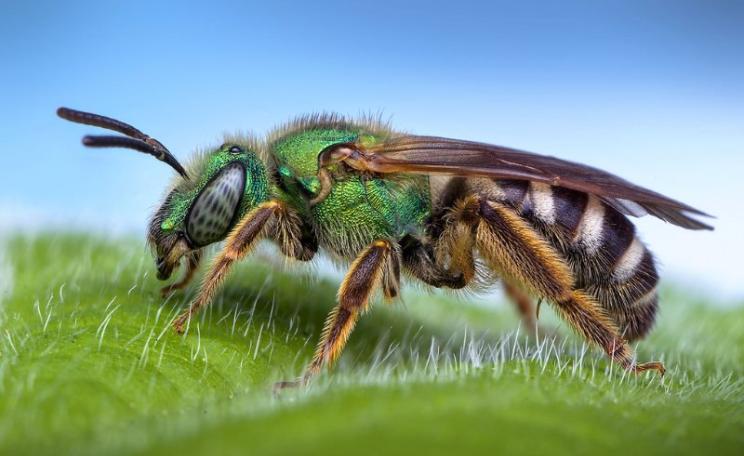
Wild bee decline is closely associated with the advance of intensive farming and habitat loss, a new study shows. It follows an earlier paper that linked 'delayed action' decline of wild bees to exposure to pesticides including fungicides - previously considered 'bee-safe'.
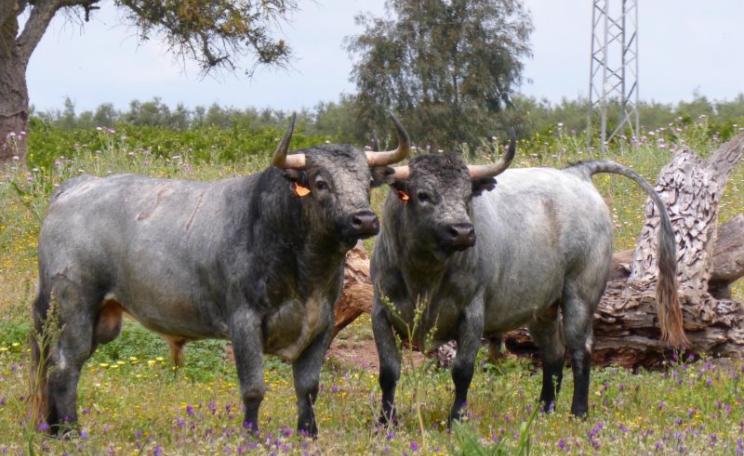
Bullfighting may cause suffering to animals, but that does not mean the EU should ban it or withdraw farm subsidies, writes Robin Irvine. Traditional bull-breeding estates are valuable reservoirs of biodiversity in intensively farmed landscapes, and without the bulls there would be nothing to sustain them.
The UK's insistence on opening up the UK to fracking is symptomatic of a deeper malaise, writes Paul Mobbs. Of course we need a change of government, but more than that, we need a deeper, enduring change of the nation's governance if we are ever to effect the transition to sustainable policies on energy and environment. It's time for the UK to become truly democratic.
The 'plasticiser' DEHP is known to leach out of plastics and cause fertility problems in male foetuses, writes Tess Crean. That's why it is banned under EU law. But now the Commission looks likely to grant a wide-ranging exemption for PVC recycling which would make the ban redundant. They must be stopped.
Protestors who closed down the coal mine on climate change denier Matt Ridley's estate faced a claim of £100,000 in losses, writes Brendan Montague. But a judge cut that down by over 90% while declaring the eight defendants of 'impeccable character'.
The coal profits that fill Matt Ridley's bank account come wet with the blood of those killed and displaced by the climate disaster his mines contribute to, writes T. If hgis consicence is no longer functioning, then others must step into that role to confront him with the evil that he is doing.
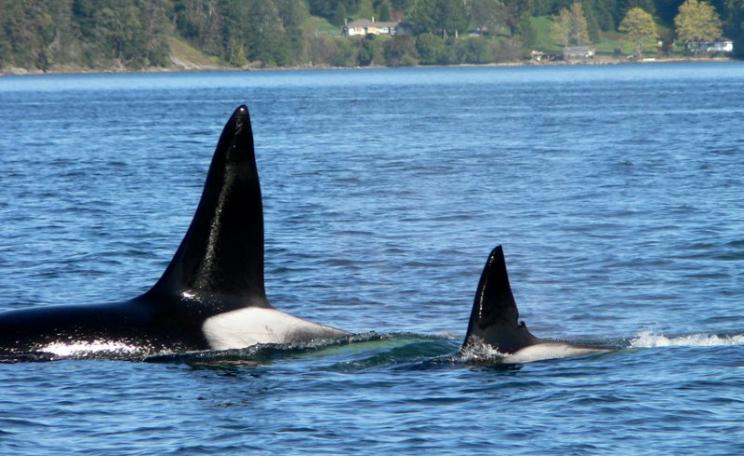
Orcas from Puget Sound and the Strait of Georgia are under threat,in large part due to toxic organic compounds in the marine food chain, writes Sierra Rayne. To give them a fighting chance, the nearby community of Victoria, British Columbia must install advanced sewage treatment - rather than just dump its wastewater largely untreated into the orcas' ocean home.
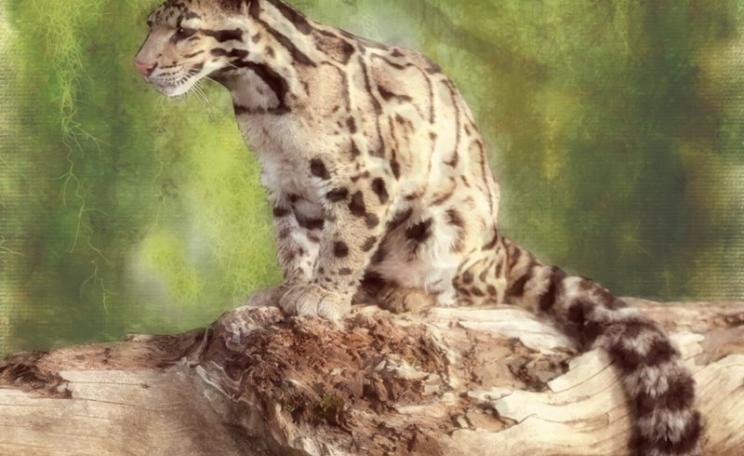
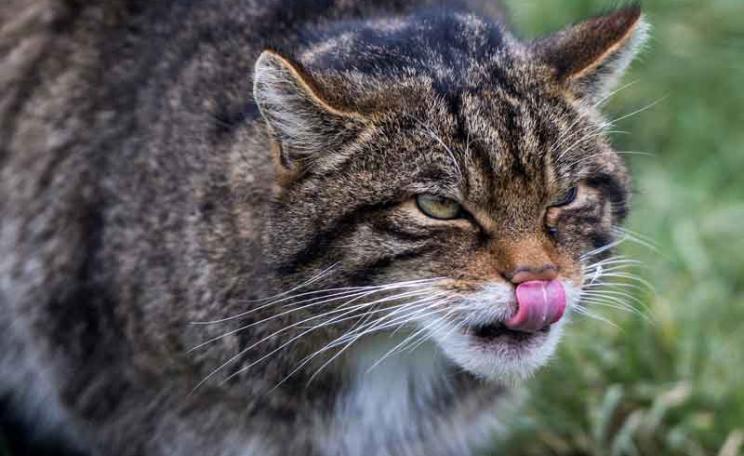
Extinction is not just for exotic species in Africa or Asia, writes Louise Ramsay. Right here in the UK we have almost allowed our very own Scottish wildcat to disappear through persecution and mismanagement - despite its being a protected species under EU and Scottish law. Now it will take swift and effective action to bring it back from the brink.
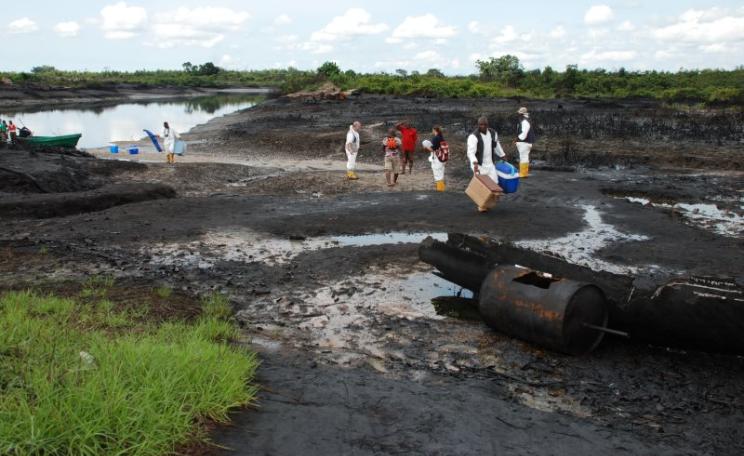
In a landmark judgment today, four Niger Delta farmers have won the right to sue Dutch oil multinational Shell in the Netherlands courts after oil spills destroyed their farms and fish ponds. The case sets a precedent for other victims of corporate environmental and human rights harms around the world.
Environment Secretary Liz Truss told Parliament yesterday that England's badger cull is 'working', and needs to be extended into new areas, writes Oliver Tickell. Yet she and the NFU have refused to release the evidence to back up her claims. Now MPs and NGOs are joining the cry: 'publish or be damned!'
The Paris Agreement is facing its first big test in Queensland, Australia, writes Justine Bell. After a long process beset by legal challenges, the massive Carmichael coal mine is inching closer to approval - which would open up the entire 250,000 sq.km Galilee basin and its 28 billion tonnes of coal to exploitation. Both state and federal governments have the power to ban it. But will they?