As COP21 reaches its endgame, there are plans to build 2,440 coal-fired power plants around the world, write Mowdud Rahman & Greig Aitken. Their completion would send global temperatures, and sea levels, soaring. Yet Bangladesh, the world's most 'climate vulnerable' large country, has plans for a 1.3GW coal power plant on the fringes of its World Heritage coastal wetlands.
As Arctic Peoples at COP21 in Paris appeal for unity to halt global warming, writes Tim Radford, scientists report that Greenland's glaciers are now melting at a speed not seen since the last Ice Age almost 10,000 years ago.
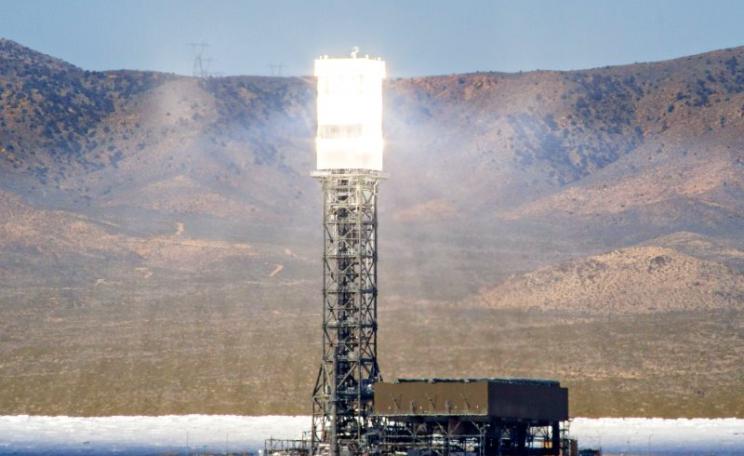
ITER, the elusive and multi-million dollar fusion fantasy, was yet another nuclear chimera introduced at the Paris COP21 climate talks as a 'solution' to our climate crisis, writes Linda Pentz Gunter. But the idea is pure fantasy: long before it can be made to work, if it ever can, it will have been made obsolete by harnessing the power of our giant fusion reactor in the sky: the Sun.
In this joint statement to COP21 Amnesty International and Greenpeace International call on all governments to protect human rights by including making respect for human rights an explicit purpose of any agreement, while agreeing to phase out fossil fuels and deliver 100% renewables for all by 2050.
Investigative reporters working for Greenpeace UK's Energydesk have uncovered a nexus of senior academics willing to accept large sums of money from fossil fuel companies to write reports and newspaper articles published under their own names and university affiliations, without declaring the funding. Lawrence Carter & Maeve McClenaghan spill the beans ...
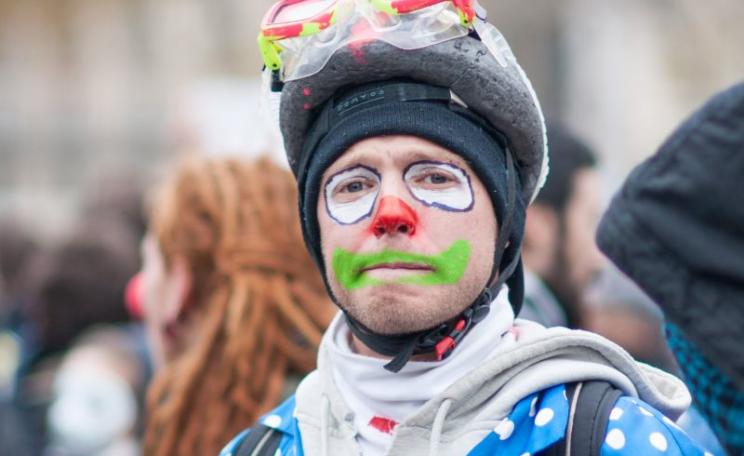
Civil society may have been kept out of the COP21 conference centre, even forbidden to march on the streets, writes Thomas Dekeyser. But climate activists have found an new means of expression: the 'Brandalism' of 600 advertisements in bus shelters across Paris, replacing corporate brand-building with subversive messages on climate and consumerism.
A new movement has been launched at COP21 in Paris to give legal effect to the rights of nature and communities, writes Hal Rhoades, providing effective protection against the gross environmental damage and human rights violations that accompany extractive industries from mining to oil development and agri-business projects, and which underlie climate change.
Levels of CO2 are at their the highest in 800,000 years, writes Tim Radford, but news of a probable decline in emissions this year is providing welcome cheer at the COP21 climate summit: thanks to renewables, economic growth and falling emissions can go hand in hand.
Britain's five top media billionaires are all 'climate sceptic and using their newpapers to disinform us on climate change and block effective action, writes Donnachadh McCarthy. So let's put together a block of climate-aware advertisers to demand they tell the truth.
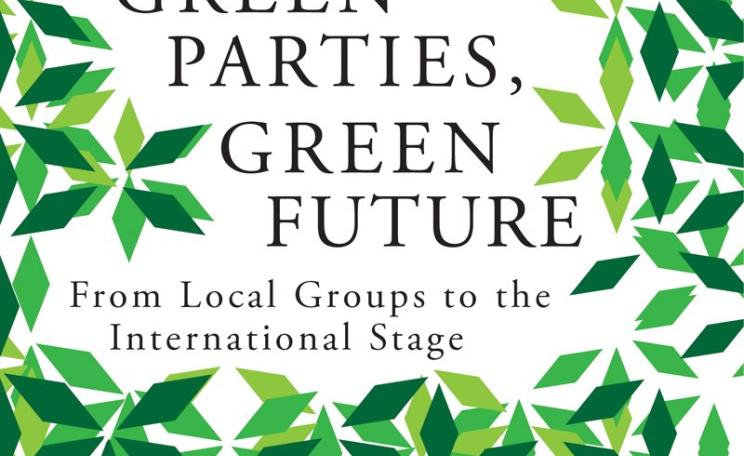
How can Green parties acquire real political power? A new book by Per Gahrton, founder of the Swedish Green Party, is much more than a useful reference text on the history of Green Parties around the world, write Bennet Francis and Rupert Read. It's also a valuable manual in realpolitik that resonates here and now in the UK.
The EU's decision to renew 'punitive' tariffs on imports of PV modules and cells from China will cost the EU's solar installers an extra £700 million, writes Oliver Tickell - just as the UK industry is reeling from 87% government cuts.
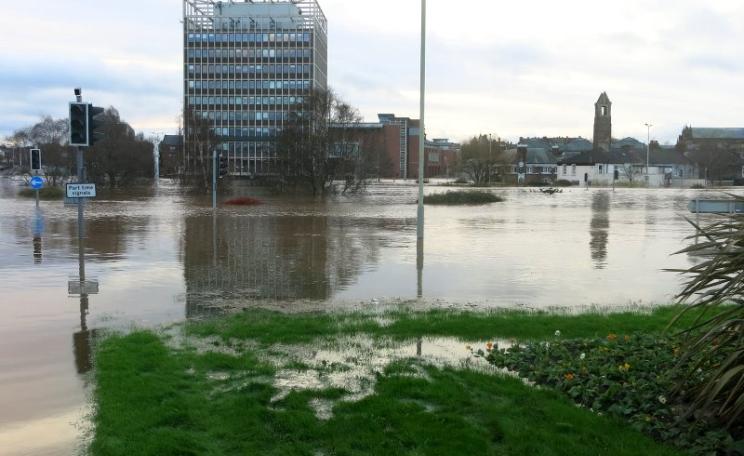
The key to reducing the risk of more floods like those in Carlisle is to realise that conventional 'flood defence' can never provide security against the ever more extreme weather events that global warming will bring. We must embrace natural solutions to holding back flood waters: more trees; and bring back the beavers!
Saturday's delivery of the draft Paris Agreement text for ministers to run with today was a small miracle, writes Luke Kemp. But it came at the cost of 935 bracketed texts to be argued over by ministers this week, while key questions - whether it will be a legally binding treaty, and how poorer countries will be paid to adapt to and mitigate climate change - are still up for grabs.
Last week a new billionaires club strode into COP21 in Paris promising big money for 'clean energy': the Breakthrough Energy Coalition. But most of its members are nuclear obsessives, writes Linda Pentz Gunter, from Bill Gates to Jeff Bezos and Richard Branson. And what the the world needs is not 'patient investment' into nuclear research, but impatient investment into renewables deployment.
Monsanto was accused of 'crimes against humanity and the environment' at COP21 in Paris this week, writes Pavlos Georgiadis. And now the evidence against it is being gathered for presentation at a 'Monsanto Tribunal' taking place next October in The Hague.